
Commercial Office Furniture for Modern Workspaces
Furnishing an office involves more than buying desks and chairs. The furniture needs to fit the space, suit employees' daily work, and reflect the company's image. Businesses must also consider their budget, delivery schedule, and plans for future growth. Making these decisions early can prevent expensive changes later. This guide walks you through the main steps of planning a commercial office furniture project, from choosing a layout to working with a supplier.
Start with How Your Office Will Be Used
Before looking at furniture catalogs, think about how people will use the space. A call center needs practical workstations and cable management, while a corporate office may need private offices, meeting rooms, and comfortable reception areas.
The layout should follow the work, not the other way around. Start by identifying the main activities in each area, then choose furniture that supports them.
Match Furniture to Each Area
|
Office area |
Suitable furniture |
What to consider |
|
Open office |
Modular workstations and desk systems |
Desk spacing, cable management, and team communication |
|
Private offices |
Executive desks, office chairs, and cabinets |
Privacy, storage, and comfort |
|
Meeting rooms |
Conference tables and meeting chairs |
Room capacity and movement around the table |
|
Reception areas |
Reception desks and visitor seating |
Brand image and visitor flow |
|
Breakout areas |
Sofas, lounge chairs, and occasional tables |
Informal meetings and relaxation |
|
Storage areas |
Filing cabinets, lockers, and shelving |
Capacity and ease of access |
This simple breakdown makes it easier to estimate quantities and avoid buying furniture that looks good in a showroom but does not work in your office.
Measure Before You Buy
Take accurate measurements of the room, including windows, doors, columns, power outlets, and other fixed features. Leave enough space for people to move comfortably and pull out their chairs without blocking walkways.
It is also worth planning for computers, monitors, printers, and other equipment at this stage. A desk that looks spacious on paper may feel cramped once everything is in place.
If you are working with an office furniture manufacturer, provide a floor plan and clear measurements early. These details make it easier to discuss suitable desk sizes, partition positions, and storage options before production begins.
Choose an Office Workstation System That Fits Your Team
The right office workstation depends on the way your employees work. Some teams need an open environment where communication comes easily. Others need more separation to concentrate on individual tasks.
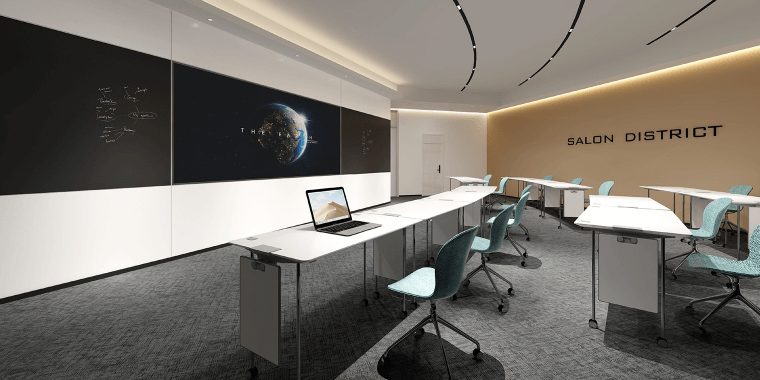
Modular Office Furniture for Changing Needs
Modular office furniture is a practical option for businesses that expect their teams or layouts to change. Desks, partitions, and storage units can be arranged in different configurations, making it easier to adapt the office without replacing every piece of furniture.
When comparing modular office furniture, look beyond the initial price. Check the stability of the structure, the quality of the materials, cable management, and whether additional components will be available later.
For example, a growing company might start with several shared workstations and add more units as its team expands. A compatible modular system can make that process simpler.
Explore M&W's office desk systems to see options for different workplace layouts.
Office Cubicles for More Privacy
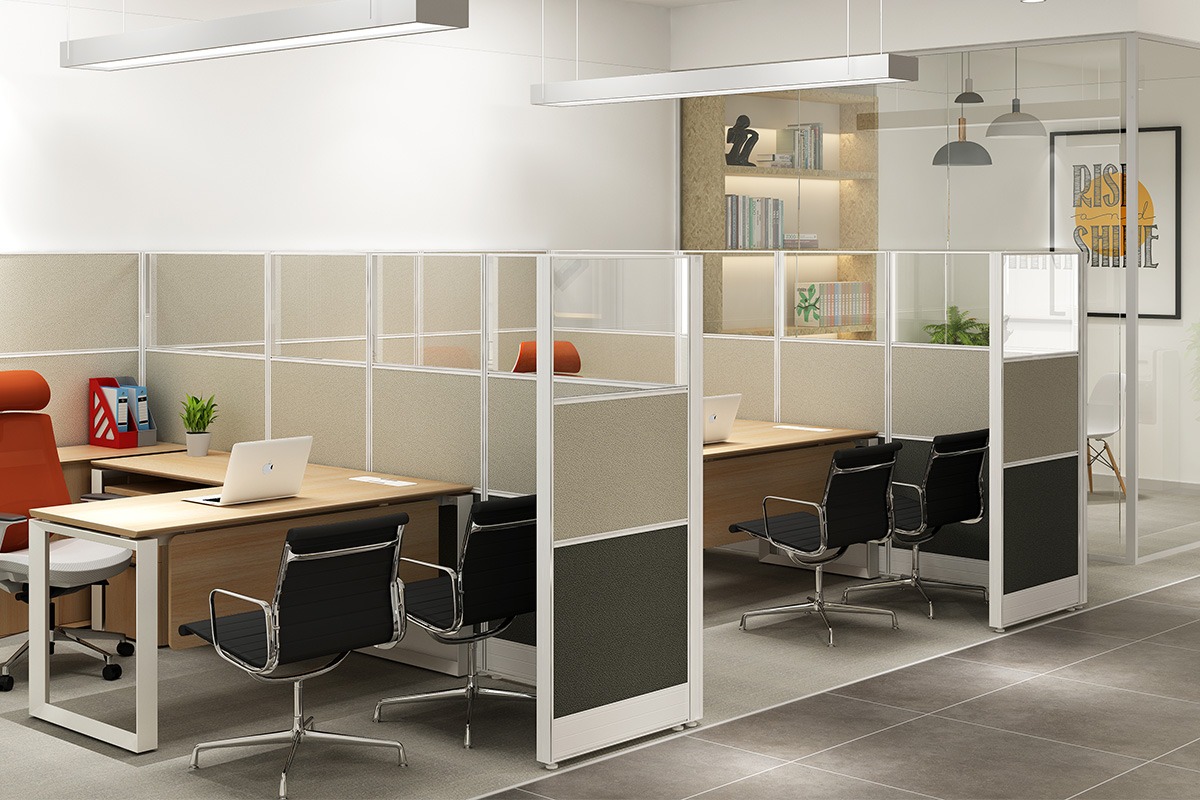
Open-plan offices make collaboration easier, but noise and visual distractions can become a problem. Office cubicles offer a middle ground by giving employees some personal space without separating everyone into individual rooms.
Low partitions work well when teams need to communicate frequently. Higher screens may be more suitable for tasks that require concentration. The right choice depends on the type of work, the available floor area, and the level of privacy employees need.
Before ordering, check that the partitions fit the desks and that cables, monitors, and storage units can be accommodated properly.
You can explore M&W's modular office cubicle solutions when comparing workstation configurations.
Don't Overlook Everyday Comfort
Employees spend much of their working day at their desks, so comfort deserves attention from the beginning. Desk dimensions should suit the equipment being used, while chairs should offer appropriate adjustment and support.
Height-adjustable desks may also be worth considering for workplaces that want employees to alternate between sitting and standing. Check the adjustment range, load capacity, stability, and cable arrangement before choosing a model.
The aim is not to fill the office with the latest furniture trends. It is to give people a workspace that works well for their daily tasks.
Make Sure the Furniture Reflects Your Brand
Office furniture helps shape the impression a workplace makes on employees, clients, and visitors. Colors, materials, and finishes can make a space feel consistent with a company's identity without requiring an elaborate interior design.
M&W's office furniture case studies offer examples of how furniture choices can be tailored to individual projects.
The Ferrari World case currently describes a Momentum Metropolitan office project in Mumbai.
Choose Colors and Materials with a Purpose
Brand colors can appear in desk panels, upholstery, partitions, and reception furniture. Used selectively, they help connect different areas without making the office feel visually busy.
Materials deserve the same attention. A high-traffic office may need surfaces that resist everyday wear and are easy to clean. A reception area, meanwhile, may place more emphasis on appearance and the impression it creates.
Think about how the furniture will look after years of use, not just how it appears in the initial design. A consistent, practical selection is usually more valuable than choosing every item separately.
Set a Budget That Covers the Whole Project
The price of the furniture itself is only part of the cost. Depending on the project, businesses may also need to budget for customization, packaging, shipping, assembly, and future maintenance.
A cheaper quotation may not be the better deal if it excludes important items or leaves responsibilities unclear.
What to Check in a Furniture Quotation
|
Item |
Questions to ask |
|
Product specifications |
Are dimensions, materials, finishes, and quantities clearly listed? |
|
Customization |
Are the agreed colors and configurations included? |
|
Accessories |
Are cable management, storage, and other required components covered? |
|
Shipping |
What are the delivery terms and packaging arrangements? |
|
Assembly |
Who will handle local installation and assembly? |
|
After-sales support |
How are damaged items or replacement parts handled? |
Compare quotations against the same requirements so you can judge suppliers fairly. Before production starts, confirm the drawings, quantities, finishes, and delivery arrangements in writing.
Think About Future Changes
A business may need additional workstations, different storage arrangements, or a new department in a few years. Choosing compatible modular office furniture can make these changes easier.
Ask whether matching components can be ordered later and whether the furniture system can accommodate a revised layout. Planning for expansion now may save time and money when your needs change.
Find an Office Furniture Manufacturer You Can Work With
For a large office fit-out, the supplier matters almost as much as the furniture. A manufacturer should understand your requirements, explain what can be customized, and provide clear product and delivery information.
Look Beyond the Product Catalog
A broad product range can make it easier to furnish several areas with a consistent style. Depending on the supplier, this may include office workstations, modular cubicles, desks, conference tables, storage units, and lounge furniture.
Ask for specifications and drawings before placing an order. If the project involves customized furniture, confirm the available materials, finishes, dimensions, and approval process.
It is also useful to discuss how different products will work together. Desks, partitions, and storage units may each look suitable on their own but still create problems if their dimensions or connections are incompatible.
Clarify Delivery and Project Support
International furniture orders need careful coordination. Production schedules, export packaging, shipping arrangements, receiving requirements, and local assembly should all be discussed before the order is finalized.
M&W's global office furniture project delivery service outlines support for design coordination, production, international logistics, installation guidance, and after-sales assistance.
Make sure you understand exactly what the supplier will handle and what your local team must arrange. Clear responsibilities help avoid last-minute problems, especially when furniture needs to arrive before an office opening or renovation deadline.
Take the Project from Approval to Delivery
Once the furniture and supplier have been selected, a few straightforward checks can help keep the project on track.
Confirm the Final Design
Review the floor plan, product quantities, dimensions, colors, finishes, and accessories. Make sure everyone is working from the same approved drawings before production begins.
If anything changes, record the revision and confirm its impact on cost and timing.
Prepare for Delivery
Agree on the expected production and shipping schedules. Check whether the receiving site has enough space to unload and store the furniture, and arrange local assembly where needed.
For international projects, confirm shipping responsibilities and delivery terms rather than assuming everything is included in the quotation.
Inspect the Furniture After Assembly
Once the furniture arrives, check the quantities and inspect the surfaces for damage. After assembly, make sure desks and partitions are stable, drawers operate correctly, and cables are routed safely.
Keep a record of any missing items or defects and contact the supplier promptly. Resolving these issues early is easier than dealing with them after the office is fully occupied.
Common Mistakes to Avoid
Even a well-funded office project can run into trouble when basic details are overlooked.
Buying furniture before planning the layout. This can leave too little room for movement or create awkward desk arrangements. Measure the space first.
Choosing appearance over function. Attractive furniture still needs to withstand daily use and meet employees' needs. Consider durability, maintenance, and comfort alongside design.
Ignoring product compatibility. Confirm that desks, partitions, storage units, and accessories fit together before placing the order.
Leaving delivery arrangements until the last minute. Production, shipping, and local assembly all take time. Build them into the project schedule.
Forgetting about future expansion. If the business is likely to grow, look for furniture systems that can accommodate additional units or revised layouts.
A little preparation at the start can prevent unnecessary expense and make the finished workspace much easier to use.
Conclusion
Planning the right commercial office furniture starts with understanding your space, your team, and your budget. With practical workstations, suitable furniture systems, and clear project coordination, you can create a workplace that serves your business for years to come. Contact M&W Workstation today to discuss your project requirements and request a tailored office furniture solution.
FAQs
Q: What types of office furniture does M&W Workstation provide?
A: M&W Workstation offers office furniture solutions for commercial workspaces, including desk systems, modular cubicles, workstations, and related furniture products. Visit the M&W to explore its product range.
Q: Can M&W Workstation customize furniture for my project?
A: Customization depends on the selected products and project requirements. Share your floor plan, preferred dimensions, materials, colors, and functional needs with M&W to confirm the available options.
Q: Does M&W Workstation support international projects?
A: M&W describes project support covering customized design, production coordination, international logistics, installation guidance, and after-sales assistance. Confirm the exact service scope and delivery arrangements for your location.
Q: What information should I provide when requesting a quotation?
A: Prepare your floor plan, approximate quantities, required furniture categories, preferred finishes, delivery destination, budget, and project timeline. Drawings and reference photographs can help the supplier understand your requirements.
Q: How do I choose the right office furniture manufacturer?
A: Look at the product range, customization options, material specifications, communication, delivery arrangements, and after-sales support. For a large project, request a detailed quotation and approved drawings before committing to production.