
The Evolution of Modular Office Systems: From Fixed Spaces to Flexible Work Ecosystems
Traditional office spaces were typically centered around fixed workstations, conventional partitions, and enclosed meeting rooms; once fitted out, these spaces were often difficult to reconfigure for years. As enterprise scales, team structures, and working styles evolve, traditional office models struggle to meet the demands of modern businesses. Consequently, modular office systems have evolved from simple modular furniture into a vital component of modern office design.
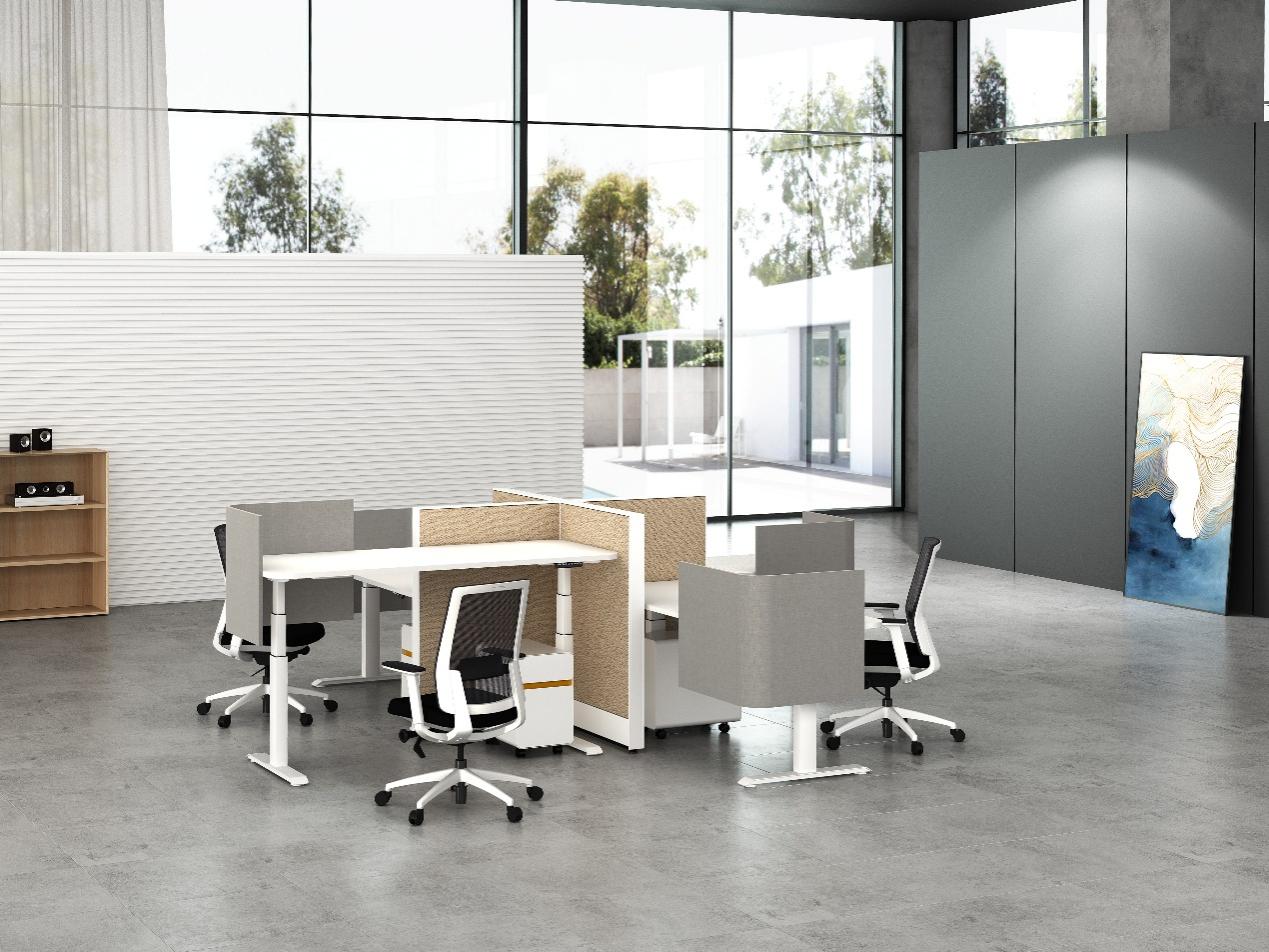
From Fixed Workstations to Modular Offices
Early modular office solutions primarily involved combinations of desks, screens, and storage units, utilizing standardized dimensions to facilitate rapid installation and layout adjustments. Today, modular design extends to a comprehensive integration of office partitions, meeting spaces, phone booths, storage systems, and furniture.
Modern modular office systems emphasize qualities such as being combinable, mobile, and scalable. Desks can be rearranged based on team size, movable partitions allow for quick spatial reconfiguration, and modular meeting rooms can be added or adapted to suit business needs. The office space is no longer a static architectural structure but rather a dynamic, ever-changing system.
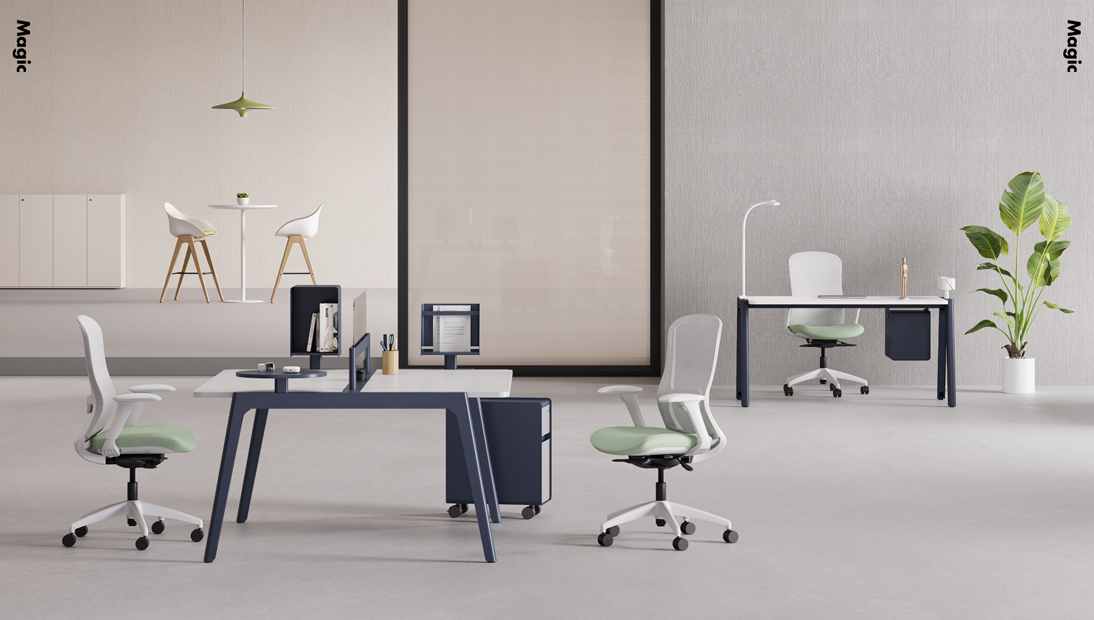
What are modular office systems?
Modular office systems are workstation and spatial division solutions whose components can be reconfigured without structural building work. Each component is designed to function within a larger system — layouts change, clusters ungroup, zones reposition as the organization evolves. The result: a furniture investment that stays relevant across multiple configurations rather than becoming a constraint when the first configuration changes.
How do modular office systems support hybrid working?
Hybrid working requires spatial variety compelling enough to justify the commute. Modular systems create that variety — focus zones, collaboration hubs, social spaces, acoustic pods — within a standard commercial floor plate. The modular design means those proportions adjust as hybrid patterns change across departments and seasons without any structural intervention.
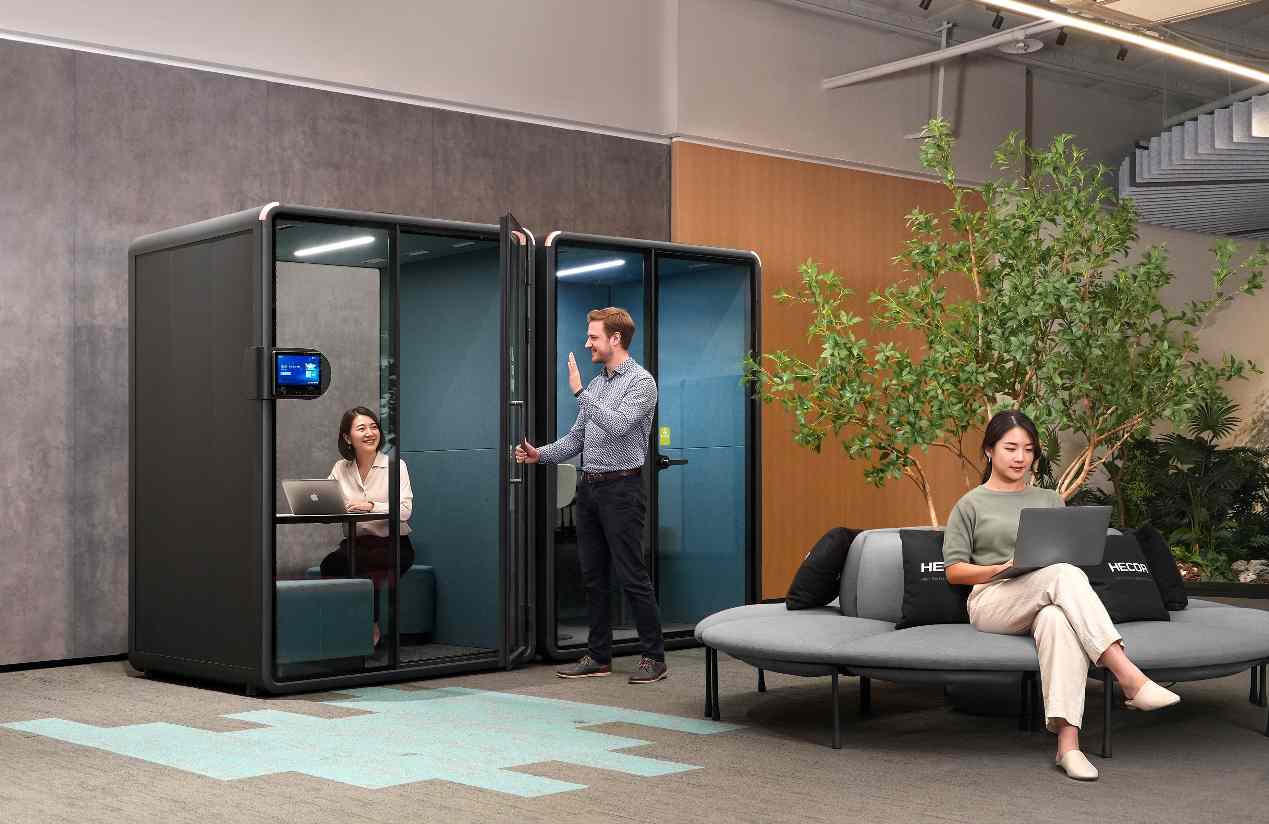
Key Elements of Contemporary Modular Offices
In today’s office environments, modular elements typically include modular desks, office partitions, movable screens, conference tables, storage systems, office sofas, phone booths, and modular meeting rooms.
These elements can function independently or be combined via standardized interfaces. For example, open-plan workstations can be transformed into semi-private work zones using partitions; multi-person workstations can be reconfigured into project team areas; and meeting spaces can be quickly converted into zones for training, collaboration, or ad-hoc work using movable walls and furniture.
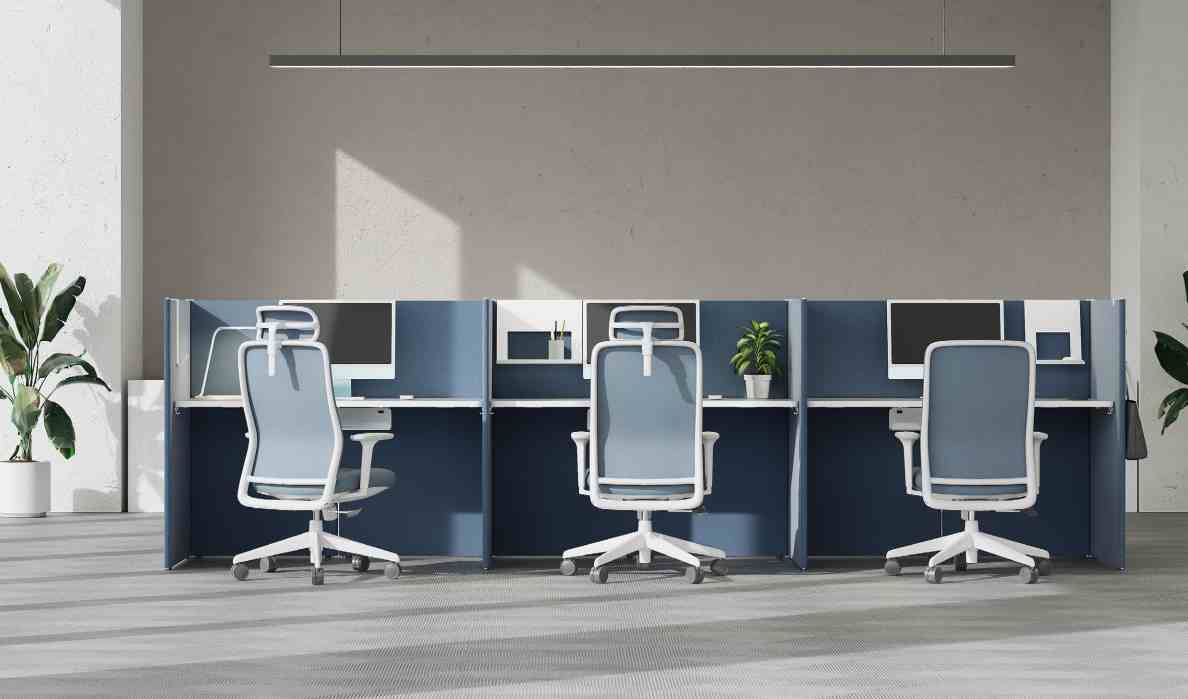
Style: From Functionalism to Experience-Oriented Design
Modular office design is not limited to a single industrial aesthetic. Modern designs prioritize a balance between minimalism, natural elements, technology, and human-centricity.
A diverse range of materials—such as wood veneers, metal, glass, acoustic materials, and fabrics—are integrated into modular systems. Combined with greenery, soft lighting, and comfortable furniture, these elements create office spaces that balance efficiency with comfort.
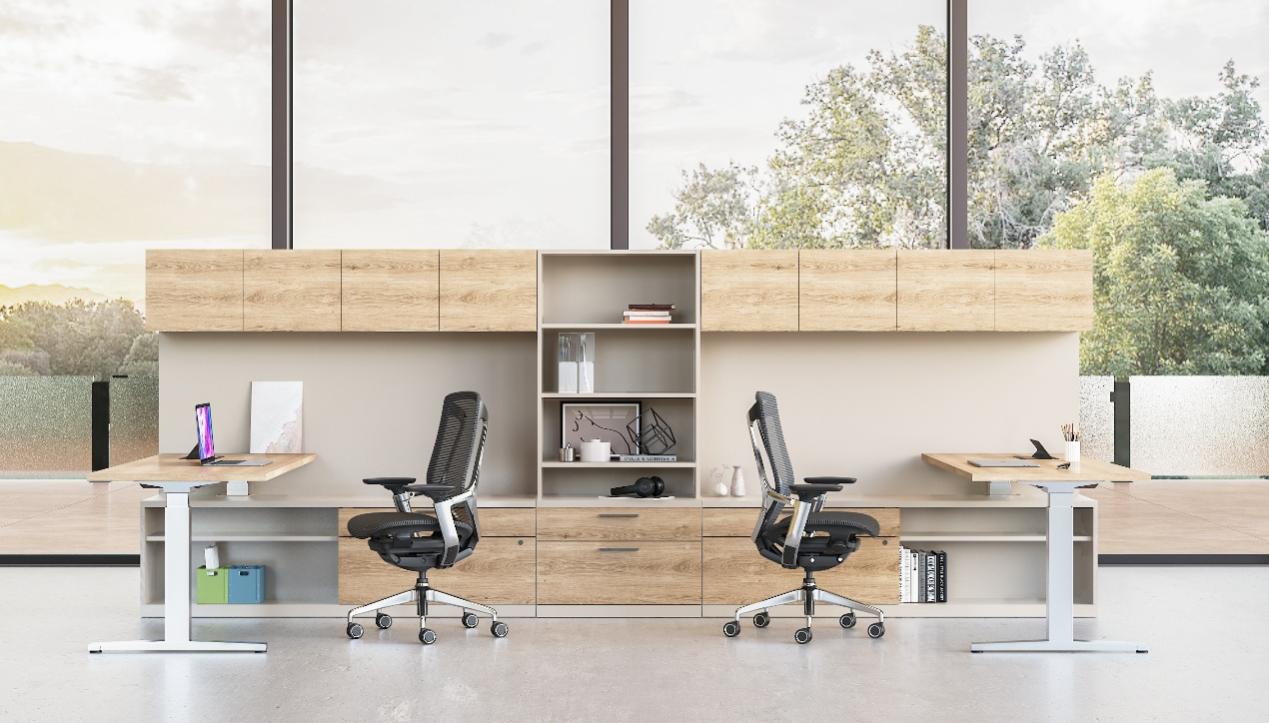
Functionality: Meeting Diverse Work Modes
Modern offices must simultaneously support focused work, team collaboration, meetings, training sessions, remote communication, and casual social interaction. Therefore, the core value of modular systems lies not merely in mobility, but in enabling a single space to serve multiple purposes.
This is particularly relevant in hybrid work environments, where adjustable desks, movable partitions, and multifunctional zones allow companies to flexibly adapt their space based on headcount and work patterns. Trends in office design for 2026 increasingly emphasize flexible zones, multifunctional areas, and reconfigurable environments.
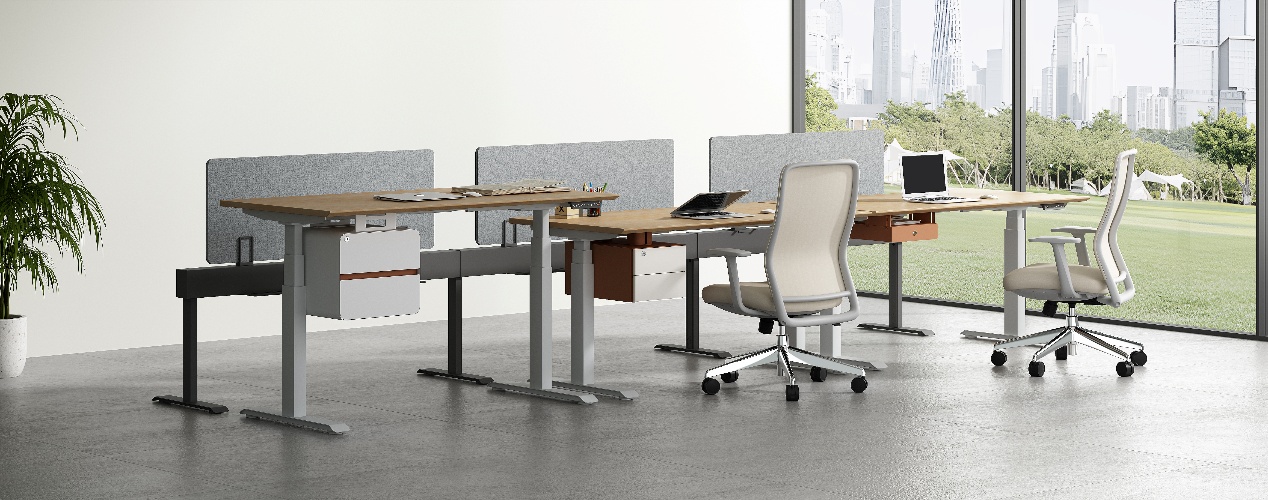
Future Trends: From Modular Furniture to Modular Ecosystems
Future modular office systems will increasingly integrate smart office technology, acoustic design, digital management, and sustainable design. Sensors and space-utilization data enable companies to understand how different areas are actually used, while modular furniture and demountable partitions help reduce the costs associated with future spatial adjustments.
At the same time, designs that are reusable, demountable, and reconfigurable align with the principles of the circular economy. Office spaces will move away from the "design once, fix permanently" approach, shifting instead toward the creation of an office ecosystem that evolves alongside the company.
From fixed offices to open-plan layouts and now to modular systems, the evolution of office space fundamentally reflects changes in how companies work. Ultimately, an excellent office space should not only meet today’s needs but also possess the adaptability to handle the changes of tomorrow.
Conclusion
Fixed office layouts struggle to keep pace with today’s fast-moving business needs. A flexible modular ecosystem transforms the workplace into a dynamic tool that evolves alongside your organization. M&W’s 33 years of innovation ensures your furniture investment remains relevant across every stage of company growth. Contact the M&W Design team today to design a flexible workspace that perfectly matches your hybrid work patterns.