
Quiet Luxury in the Executive Suite: Designing for Prestige and Productivity
The Opening Scene: The Weight of the Room
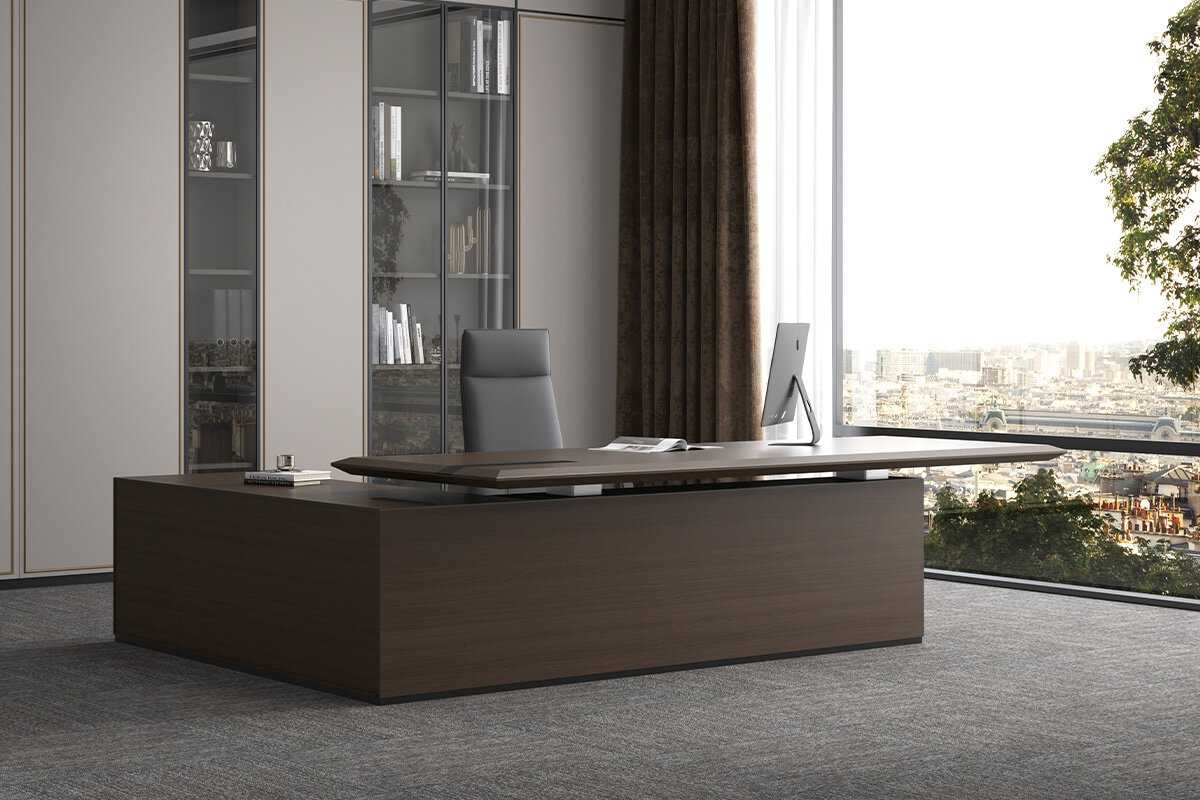
A CEO walks into their office after a grueling negotiation. They sit at their desk, but the room feels heavy, cold, and impersonal. The massive mahogany desk and the gilded leather chair scream "power," but they offer no comfort. The space is designed to impress clients, not to support the leader who occupies it for ten hours a day.
In modern business, the executive suite is no longer a throne room. It is a strategic command center. The question isn't whether your office looks expensive. It's: Does it make you think clearly, and does it subtly communicate the right kind of authority?
The Data: Why "Less is More" is Backed by Science
The shift toward understated design isn't just a fleeting trend; it is rooted in human psychology. Environmental psychology research consistently shows that highly ornate, visually cluttered spaces increase cognitive load and stress. Conversely, spaces with clean lines, natural textures, and balanced proportions promote mental clarity and sustained focus.
A 2026 workplace design survey found that 78% of C-suite executives now prioritize "calmness and acoustic privacy" over "traditional status symbols" when redesigning their offices. Furthermore, spaces utilizing natural materials (like real wood veneers and stone) have been shown to lower blood pressure and improve creative problem-solving compared to sterile, high-gloss environments.
The Old Thinking: "Bigger and Shiner Means Better"
For decades, executive furniture was defined by excess. Massive footprints, high-gloss lacquers, and ostentatious hardware were the standard. The assumption was that a leader's worth was directly proportional to the size of their desk.
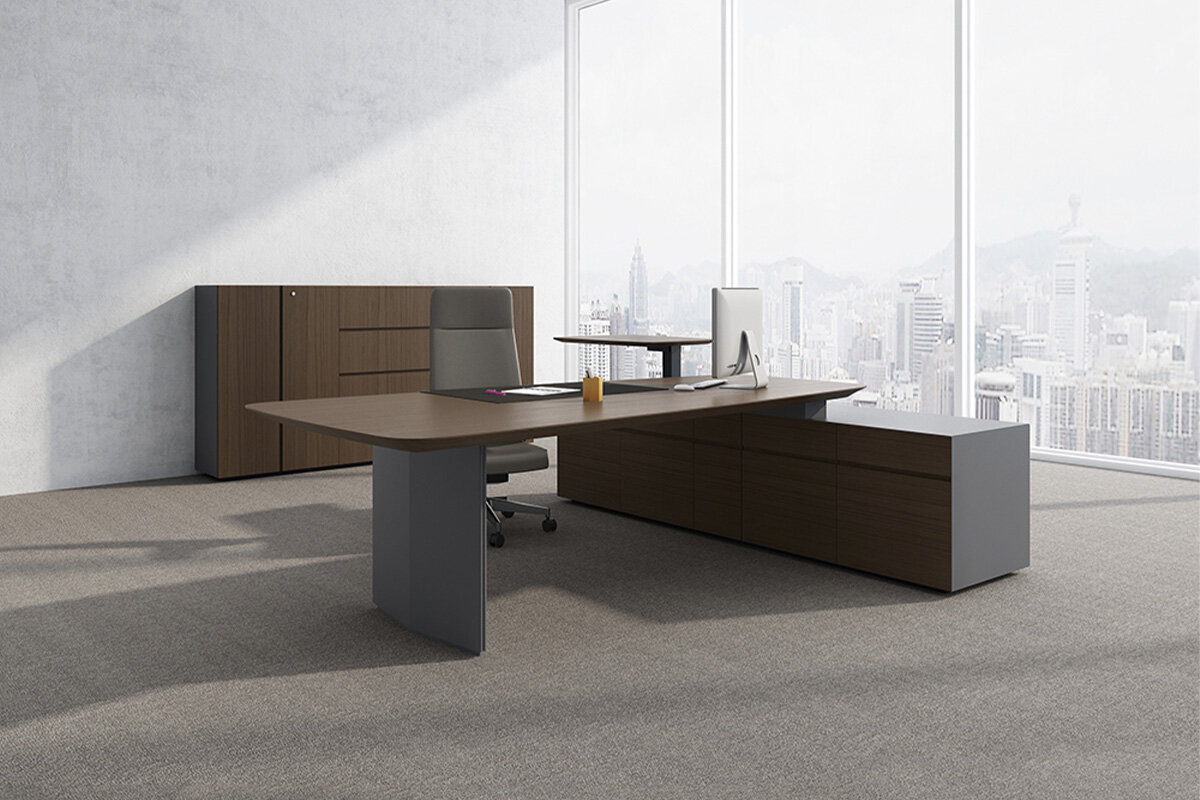
This logic is fundamentally flawed. True prestige today is not about volume; it is about intentionality. A room filled with shiny, mass-produced luxury goods signals insecurity. A room defined by restrained proportions, flawless joinery, and rare materials signals absolute confidence. You don't need to shout when your presence is undeniable.
The Shift: From "Throne Room" to "Strategic Sanctuary"
Forward-thinking leaders are redefining executive design through the lens of Quiet Luxury. This aesthetic is characterized by three pillars:
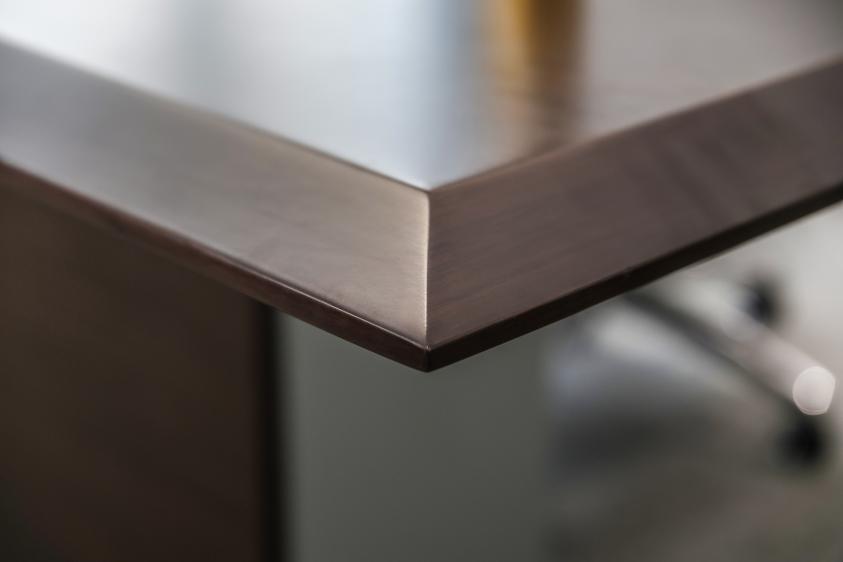
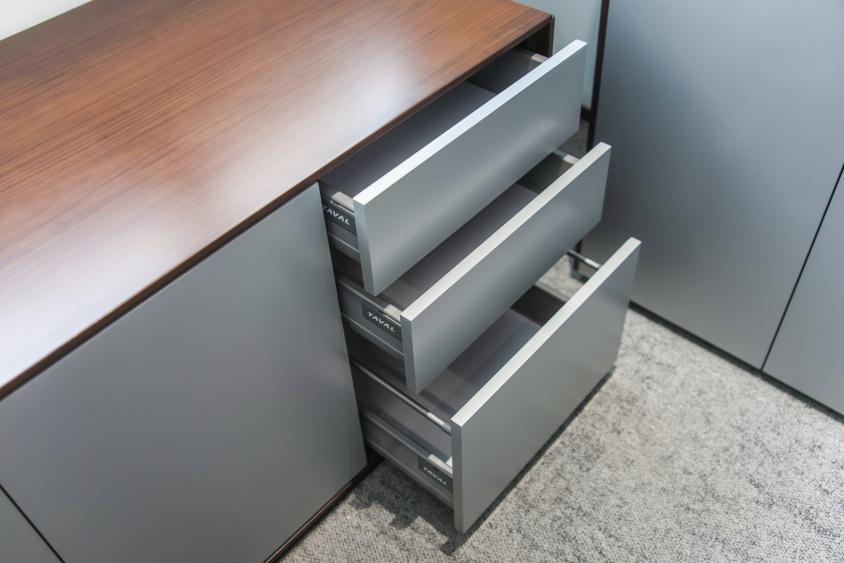
● Material Honesty: Replacing fake veneers and plastics with solid wood, genuine leather, and natural stone. The beauty comes from the grain, not the gloss.
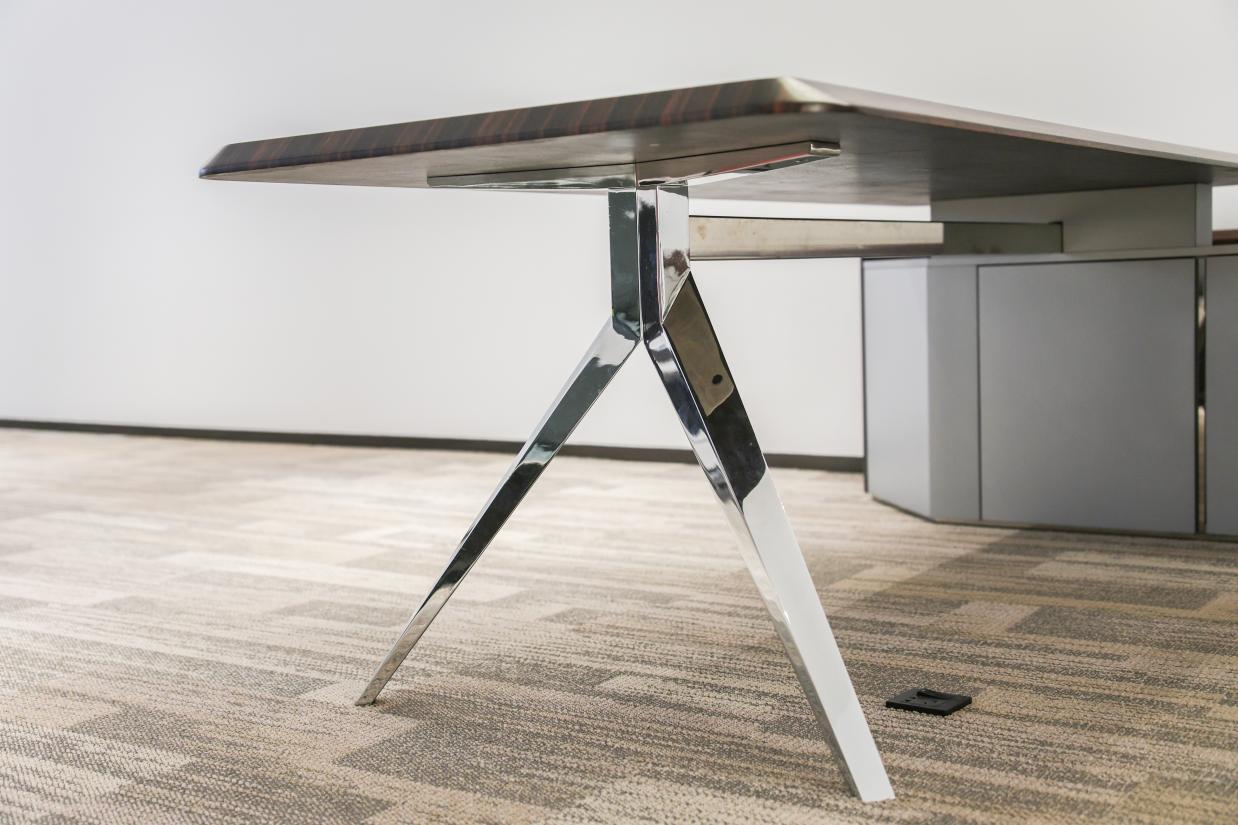
● Sculptural Silhouettes: Moving away from bulky, blocky desks to pieces with refined edges, tapered legs, and elegant proportions. The furniture looks light, yet feels incredibly solid.
● Invisible Technology: True luxury means never seeing a wire. Power, data, and connectivity are seamlessly integrated, keeping the visual field pristine and distraction-free.
The Solution: A Four-Pillar Executive Framework
An effective executive suite balances public authority with private focus. Here is how to achieve it:
Pillar 1: The Command Center (The Desk)
● Purpose: The anchor of the room, projecting stability and focus.
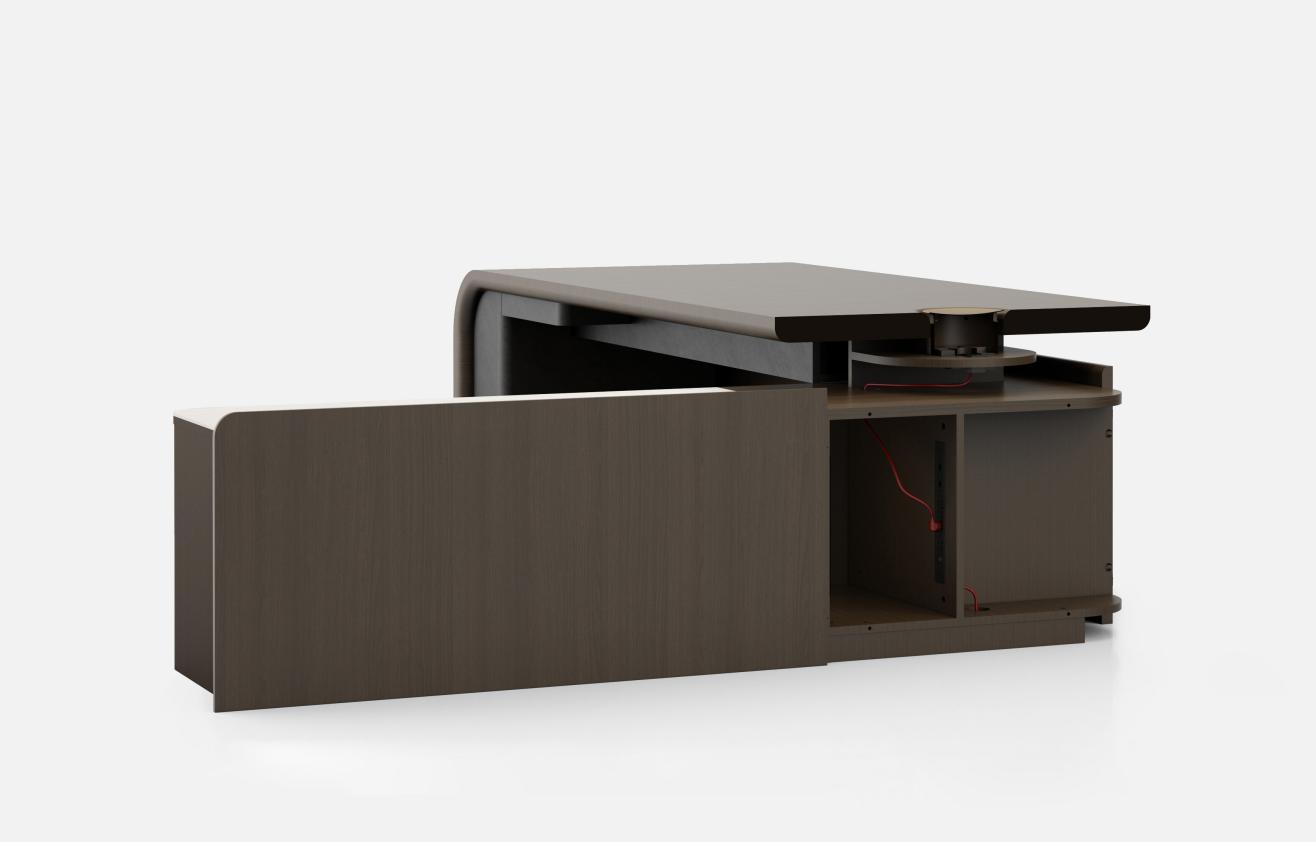
● M&W Solution: Executive desks featuring premium natural wood veneers and integrated leather writing pads. The design features clean, minimalist lines with concealed cable management and hidden smart-charging ports. No clutter. Just pure, functional elegance.
Pillar 2: The Strategic Lounge (Client Seating)
● Purpose: For high-level negotiations and relaxed dialogue, where comfort builds trust.
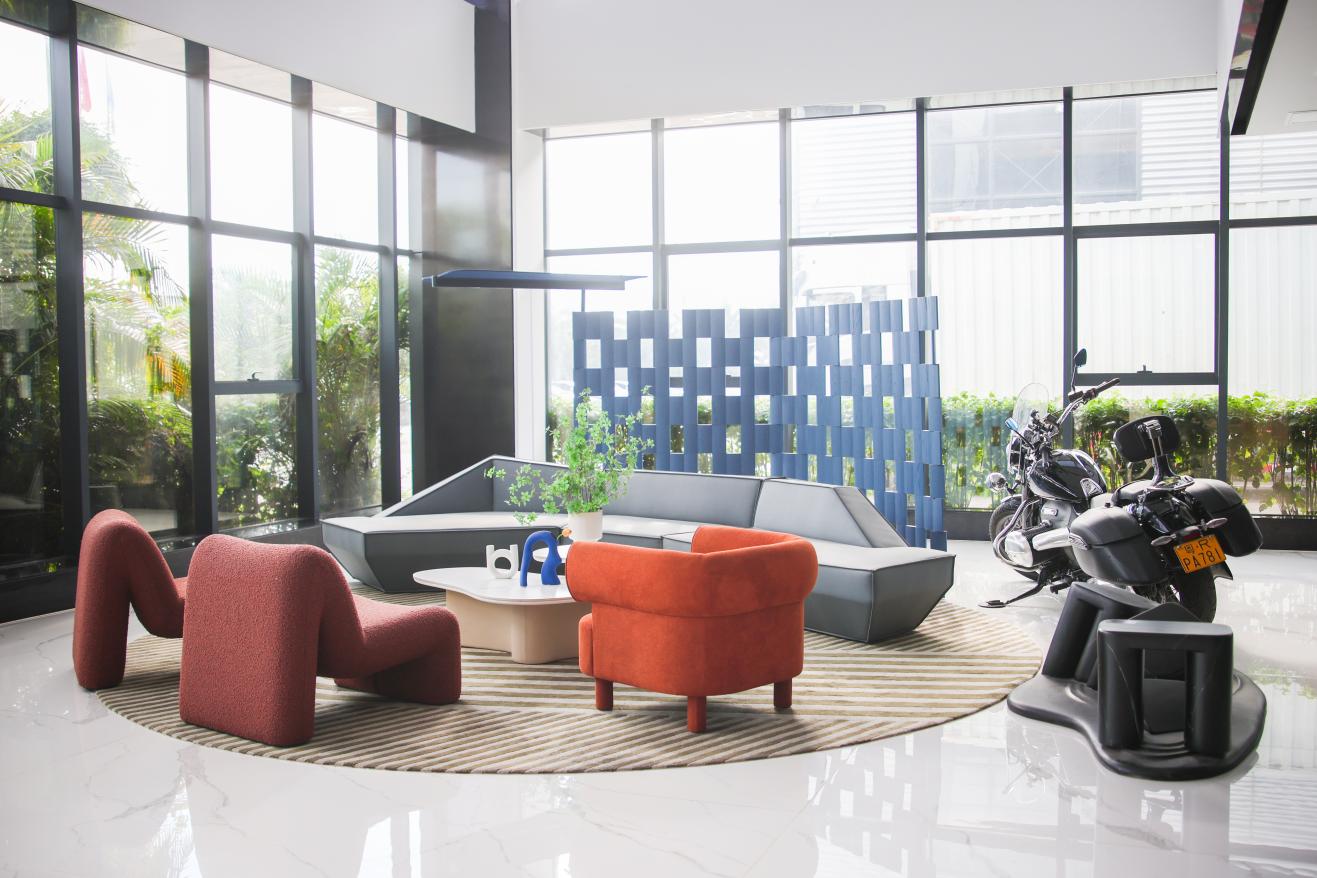
● M&W Solution: Premium leather sofas and lounge chairs with ergonomic support. Unlike stiff formal seating, these pieces invite conversation. The tactile warmth of top-grain leather subtly lowers the barrier between parties, fostering open communication.
Pillar 3: The Curated Backdrop (Storage & Display)
● Purpose: To showcase taste and history without visual noise.
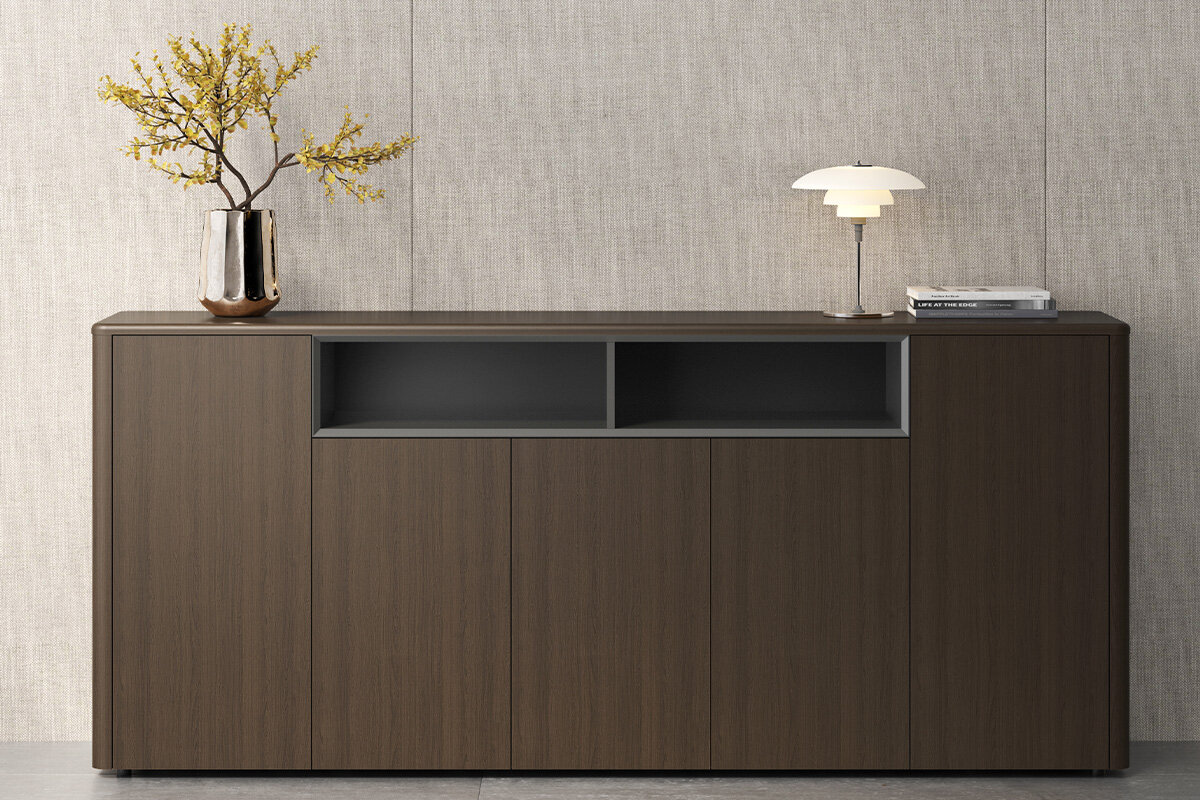
● M&W Solution: Floor-to-ceiling credenzas and open shelving systems combining closed storage (to hide files) with open, glass-lit display areas. Designed with architectural proportions, these units act as a gallery for art or awards, framing the leader's legacy rather than hoarding paper.
Pillar 4: The Sensory Experience (Lighting & Acoustics)
● Purpose: To create an atmosphere of calm and exclusivity.
● M&W Solution: High-back executive chairs with acoustic dampening, paired with warm, layered lighting solutions. The space absorbs the noise of the outside world, creating a true sanctuary for deep thought.
The Business Case: ROI of Executive Design
This is an investment in leadership performance:
● Decision Quality: A calm, uncluttered environment reduces decision fatigue, leading to clearer strategic thinking.
● Client Perception: High-net-worth clients and partners can spot quality instantly. A refined, understated office builds subconscious trust and signals long-term stability.
● Talent Magnetism: Top-tier executives want to work in spaces that respect their intellect and well-being. The executive suite is a critical tool for C-suite recruitment and retention.
Who This Matters To
● For CEOs & Founders: Your office is an extension of your personal brand. Make it a space that recharges you, not one that drains you.
● For Interior Designers: Quiet luxury requires impeccable detailing. M&W provides the flawless craftsmanship your design vision demands.
● For Procurement: Invest in heirloom-quality pieces that will last decades, not disposable trend pieces that will look dated in five years.
Conclusion
True power doesn't need to announce itself. In the modern executive suite, luxury is found in the quiet moments of clarity, the flawless touch of natural wood, and the seamless integration of form and function.
[Contact Us Today] to explore our Quiet Luxury Executive Collection and elevate your strategic sanctuary.