
How Different Office Table Shapes Support Workplace Activities
Not every office table needs to look or work the same way. Some are better for formal meetings, while others make it easier for people to sit together, share ideas and get things done. Choosing the right shape can make everyday office activities much easier.
Common Office Table Shapes
Before choosing office tables, think about how each space will be used. Different shapes work better for different tasks, and knowing what each one offers can save you from making the wrong choice.
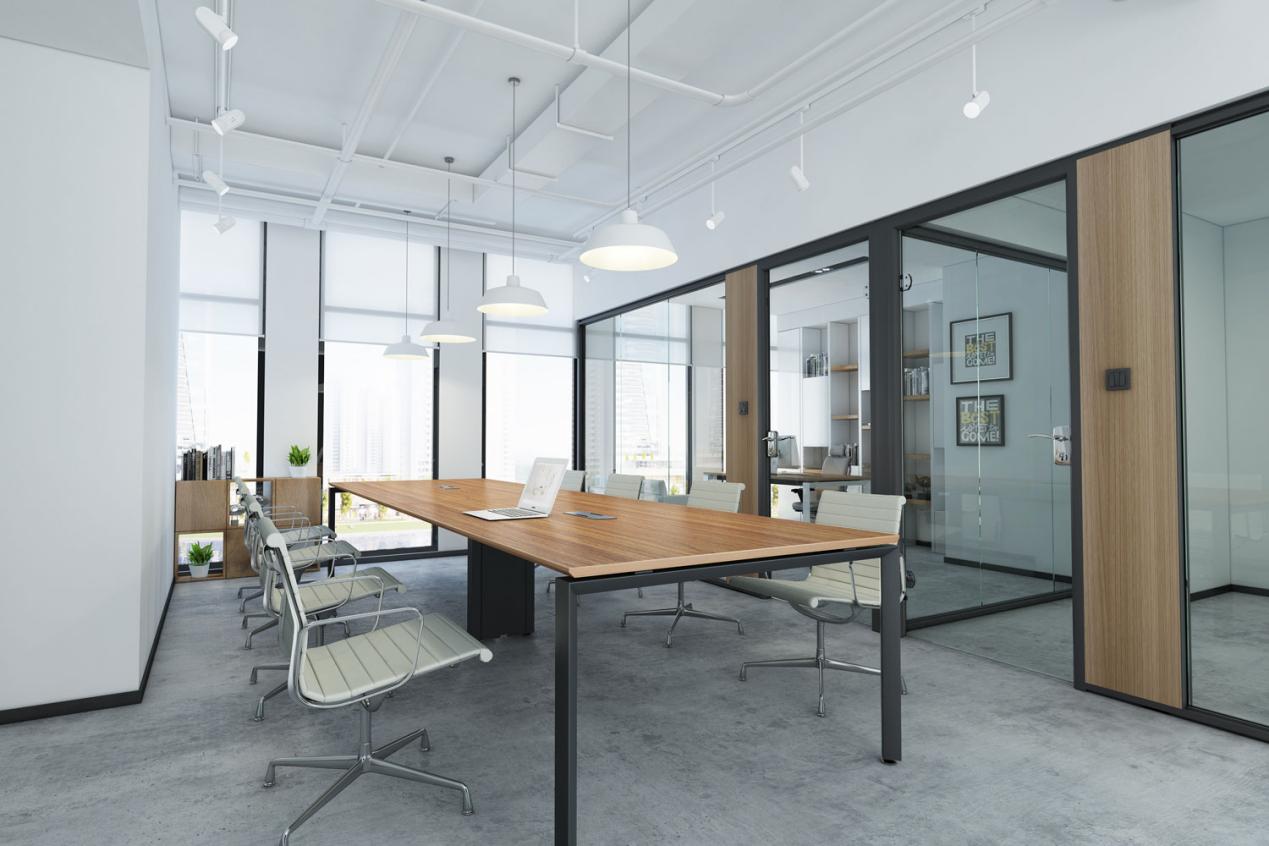
Rectangular Tables for Structured Work
Rectangular tables are a familiar choice for meeting rooms, training areas and shared workspaces. Their long surfaces give people plenty of room for laptops, documents and other work materials.
They work well when teams need to focus on one task, follow a presentation or discuss project details. Everyone has a clear place to sit, and there is enough shared space to keep work organized.
M&W offers several conference table options for commercial office projects.
Round Tables for Open Communication
Round tables make group conversations feel less formal. Everyone sits facing one another, so no one is stuck at the far end of the table or treated as the main speaker.
This makes them a good fit for brainstorming, casual team discussions and breakout areas. They also work nicely in office lounges where employees can take a break or have a quick conversation.
Take a look at M&W's round table options for ideas on furnishing informal office spaces.
Square Tables for Small Group Activities
Square tables are simple, practical and easy to arrange. They work well in project rooms, shared offices and smaller discussion areas where teams need somewhere to sit and work together.
One useful thing about this shape is how easily tables can be moved around. Keep them separate for small groups or put several together when more working space is needed. This is handy for offices where teams often change or share the same area.
Boat-Shaped Tables for Presentations and Meetings
Boat-shaped tables are wider in the middle and narrower at both ends. Extra space in the center gives people more room to work, while the shape can also make it easier to see presentation screens.
They are a good option for boardrooms and formal meetings where people need to look at documents, use laptops or follow presentations together.
If your meeting room needs something different from standard rectangular furniture, this shape is worth considering.
How Table Shapes Affect Teamwork
Table shape is not just about how furniture looks. It can also change how people interact with one another.
Make Conversations More Natural
Round tables are useful when everyone needs to share ideas. People can see one another without having to turn around or lean across the table. This makes group discussions feel more open and encourages quieter team members to join in.
Keep Shared Tasks Organized
For activities that involve laptops, documents or presentations, rectangular tables offer a more structured setup. Everyone has room to work, and teams can focus on the same task without constantly moving things around.
Give Teams More Freedom to Rearrange Spaces
Square tables make it easier to change a room's layout. Teams can work separately when needed, then bring tables together for group activities.
This is especially useful in offices where one space needs to serve different teams throughout the day.
Choosing Tables for Different Office Areas
Rather than filling every room with the same table style, think about what people actually do in each area.
|
Office area |
Suitable table shape |
How it helps |
|
Boardroom |
Rectangular or boat-shaped |
Supports formal meetings and presentations |
|
Training room |
Rectangular |
Gives participants room for learning materials |
|
Breakout area |
Round or square |
Makes informal discussions easier |
|
Collaborative space |
Square or combined layouts |
Allows teams to work in different groups |
|
Reception lounge |
Round |
Creates a relaxed place for conversations |
For example, a company might choose a boat-shaped table for its main boardroom, square tables for project areas and round tables for employee lounges. Each space has its own purpose, so there is no need to use one table design everywhere.
Making Different Office Areas Work Together
Using different table shapes does not mean your office has to look disconnected. A few consistent design choices can bring everything together.
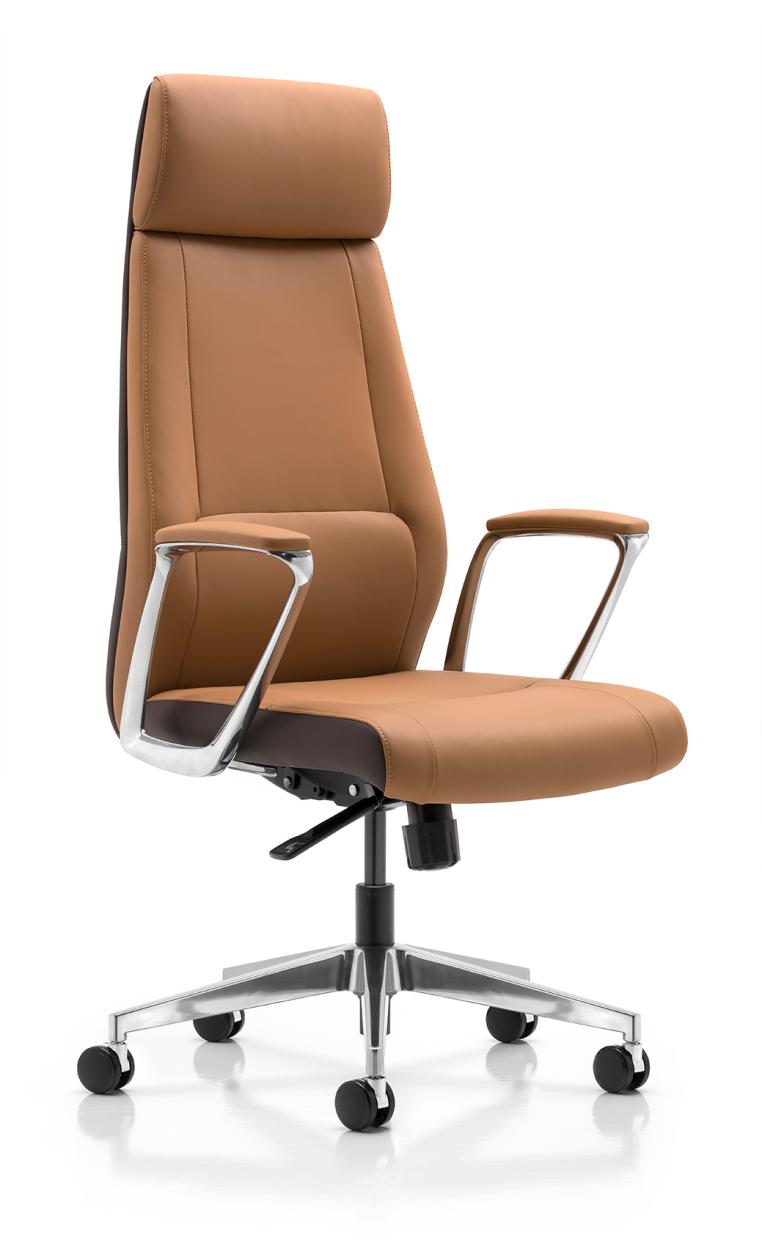
Match Tables with Suitable Chairs
Tables and chairs should work as a set. Formal meeting rooms usually need coordinated conference tables and chairs, while breakout areas can have more relaxed seating.
M&W also offers conference chair options for commercial office spaces.
Keep Furniture Styles Consistent
Meeting rooms, workstations and shared areas may serve different purposes, but their furniture should still feel like part of the same office.
Using complementary colors, materials and finishes helps create a consistent look without making every room identical.
You can also coordinate tables with workstations and storage furniture to make better use of office space.
Think About Future Changes
Office layouts rarely stay the same forever. Teams grow, departments move and working habits change. Furniture that can be rearranged makes these changes easier to manage.
Square tables are particularly useful when businesses need to change group layouts, while coordinated furniture finishes help maintain a consistent look as new pieces are added.
Choosing Office Tables for Commercial Projects
For larger office projects, choosing tables is only one part of the job. Buyers also need to think about how furniture will fit into the overall layout, whether different products work together and how customization will be handled.
Distributors, contractors and corporate buyers may also need to coordinate several furniture types across different rooms. Working with an experienced office furniture manufacturer can make product selection and project planning much easier.
M&W supports commercial projects with CAD space planning, 3D visualization, in-house manufacturing and project delivery. You can also browse the Desk & Table collection to see more options for different office settings.
Conclusion
The right office table shape depends on the activity, number of users, equipment, room layout and level of flexibility required. Rectangular and boat-shaped tables can support structured meetings and presentations, while round and square tables may suit smaller discussions, breakout areas and changing group activities. Tables should also be planned with chairs, power access, storage and surrounding circulation in mind. M&W offers office furniture solutions for a range of commercial projects.