
Why a Narrow Office Furniture Range Can Limit Dealer Growth
Selling desks and chairs may be enough to start an office furniture business. But as customer needs grow, a limited product range can mean missed sales opportunities.
Buyers often need furniture for several areas, not just individual workstations. Offering more relevant categories helps dealers serve more customers and win larger projects.
Why a Limited Product Range Holds Dealers Back
A small catalog can work when your business serves a specific market. Problems arise when customers need products you cannot supply.
Missing Products Can Cost Sales
Imagine a customer visits your showroom for office chairs. During the discussion, they also ask about meeting tables and training furniture.
If you only sell chairs, you'll need another supplier to handle the rest. This makes purchasing less convenient and gives competitors a chance to win part of the order.
Offering related products helps you respond to more customer requests.
Limited Styles Reduce Customer Choices
Different buyers have different preferences.
Some want simple furniture for daily office use. Others prefer executive designs, colorful seating or modern lounge furniture.
Showing only one style makes it harder to meet these expectations. More choices in design, color and materials give visitors a better chance of finding suitable products.
Single-Category Sales Miss Wider Project Needs
Commercial projects often involve several furniture categories.
An office may need workstations, staff chairs, meeting tables and storage. Training facilities may require tables, chairs and writing boards.
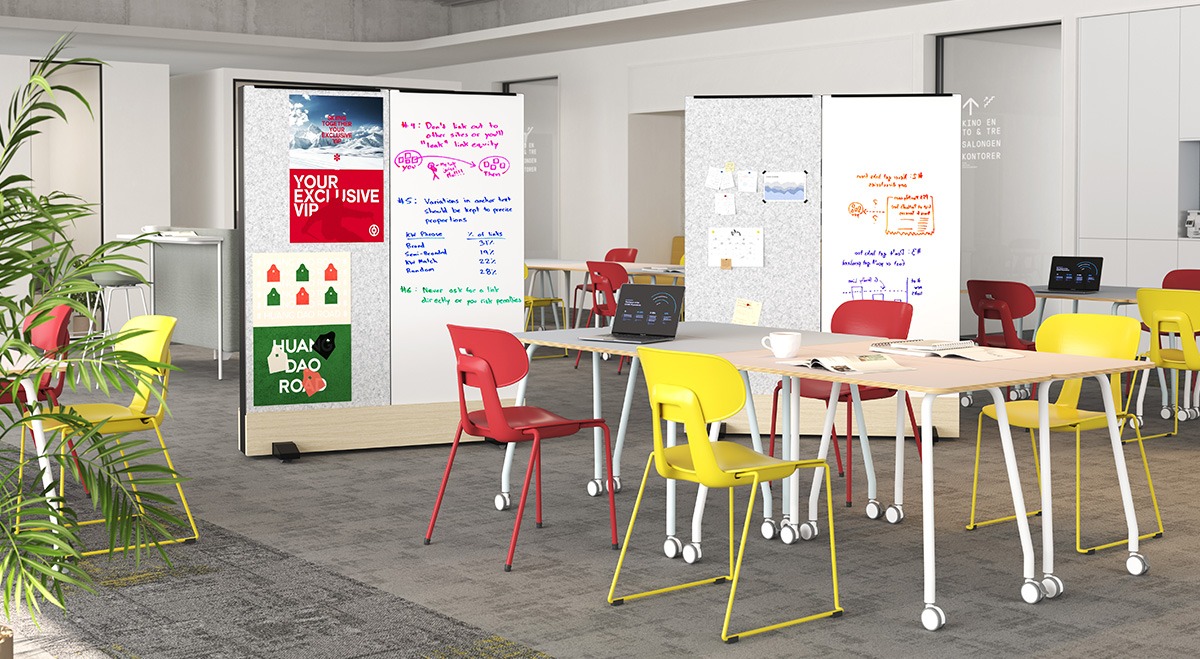
Dealers with a broader catalog can discuss more of these needs instead of supplying just one part of the project.
How to Build a More Complete Product Range
Adding products without a clear plan can leave your catalog crowded with similar items. Start with your main customers and the projects they usually handle.
|
Product category |
Products to consider |
Common applications |
|
Office desks and tables |
Desks, workstations, height-adjustable desks |
Daily work |
|
Meeting furniture |
Conference tables and chairs |
Meetings |
|
Training furniture |
Training tables and chairs |
Courses and group activities |
|
Office seating |
Staff, executive and visitor chairs |
Different office areas |
|
Lounge furniture |
Lounge chairs, sofas and occasional tables |
Reception and informal meetings |
|
Office storage |
Pedestals, cabinets and bookcases |
Files and personal belongings |
|
Office accessories |
Writing boards and workstation accessories |
Everyday office use |
M&W offers several of these categories through its office desk and table collection, office seating range, office storage collection and office accessories.
Start with Core Products
Focus on products your customers ask for most.
Corporate office buyers may need workstations, staff chairs and storage. Training centers may look for training tables and seating.
Review past orders and customer inquiries before expanding. This helps you invest in products with a clear market purpose.
Add Products That Complement Each Other
Related products can create more sales opportunities.
Customers buying workstations may also need chairs, pedestals or desk accessories. Conference table buyers may want matching meeting chairs.
Offering these products together makes purchasing easier and gives customers more options.
Keep Design Choices Relevant
Product variety isn't just about adding categories. Colors, materials, finishes and shapes also influence buying decisions.
For example, office seating may include mesh chairs, upholstered models, executive chairs and lounge seating.
Choose styles with clear differences. Too many similar models can make selection harder rather than easier.
How Showroom Displays Help Dealers Win Customers
Online catalogs introduce products, but physical displays let customers compare them directly.
Visitors can sit in chairs, check finishes and see how tables and seating work together. This makes product discussions more practical.
Show Furniture in Different Settings
Displaying individual products is useful, but complete settings give customers a clearer idea of their applications.
Meeting tables paired with suitable chairs can demonstrate a meeting area. Lounge chairs and occasional tables can show another furniture combination.
Training furniture can also be presented in different arrangements to suit various learning spaces.
Give Visitors More to Compare
Different chair shapes, frame designs and upholstery colors give visitors more choices.
Physical samples also help customers assess details that product images may not show clearly. This can make it easier to discuss their preferences before placing an order.
What the Brazil Showroom Project Shows
M&W's Brazil office furniture showroom project shows how a wider product range can support a local dealer.
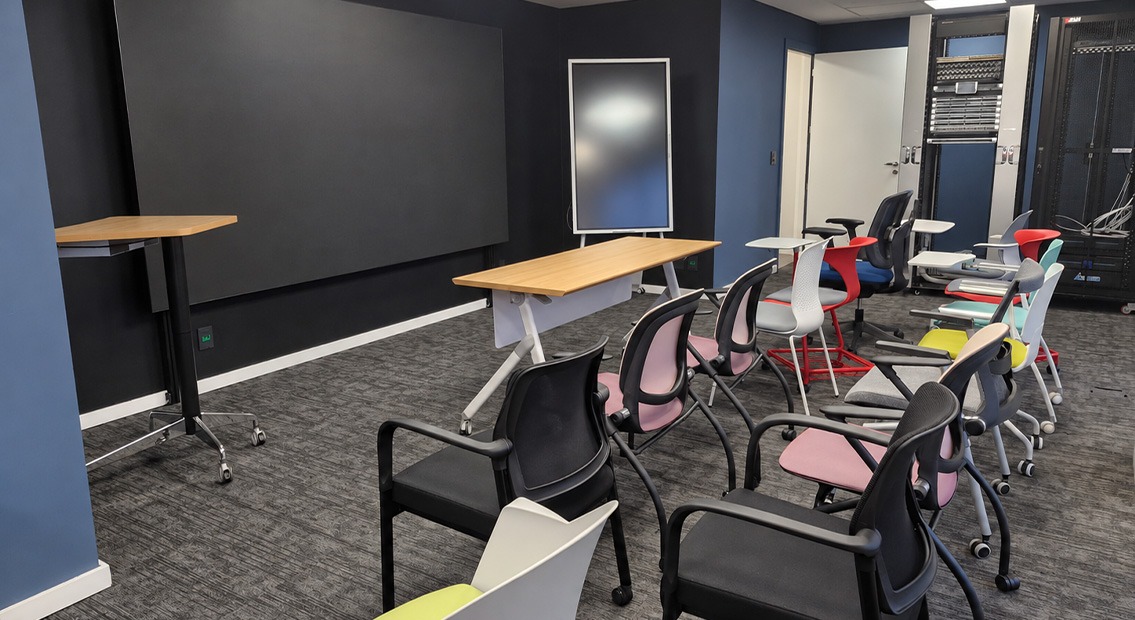
The dealer selected products from M&W's catalog, including:
- Office and meeting tables
- Training tables
- Office chairs
- Visitor and training seating
- Lounge furniture
- Occasional tables
- Wall-mounted writing boards
Different chair shapes, frame designs, upholstery colors and table finishes gave visitors more options to compare.
Meeting, training and lounge furniture also showed how products could serve different settings.
M&W supported the project through product selection, manufacturing, supply, shipping arrangements and installation guidance. The dealer selected catalog products directly, so CAD planning and 3D rendering were not required.
The project offers a useful example: dealers can create a more varied showroom by combining different furniture categories instead of relying on one product type.
What to Check When Choosing a Furniture Manufacturer
Expanding your product range means working with more specifications, materials and order requirements.
Choosing a manufacturer with several relevant furniture categories can simplify supplier coordination.
Check Product Coverage
Does the manufacturer offer the products your customers need?
Check its catalog for desks, seating, storage, meeting furniture and other relevant categories. Clear product information also helps when preparing quotations.
Check Customization and Order Support
Some projects need specific sizes, materials or colors. Confirm which options are available before placing an order.
It's also worth discussing quality control, shipping arrangements, communication and repeat purchasing.
M&W supports dealers with product selection, quotations, product images, sales materials and order coordination. Through its dealer cooperation program, furniture businesses can discuss product ranges and purchasing needs.
Conclusion
More products don't automatically mean more sales. Focus on categories that match customer demand and work well together.
M&W offers office desks, seating, storage, cubicles, partitions and accessories for different commercial furniture needs. Dealers can share their target markets and product requirements to discuss suitable options.
FAQs
1. Why can a narrow office furniture range limit dealer growth?
Customers may need several furniture categories for one project. If a dealer only supplies desks or chairs, buyers may turn to other suppliers for the remaining products.
2. Which office furniture categories should dealers consider?
Common categories include office desks, workstations, chairs, conference tables, training furniture, lounge seating, storage and accessories. Product choices should reflect local demand.
3. How can dealers make a showroom more attractive?
Display different furniture styles, colors and categories. Complete meeting, training and lounge settings help visitors understand how products work together.
4. How can office furniture dealers manage slow-moving inventory?
Review sales records and identify products with low demand or too much overlap. Adjust future orders based on customer inquiries and sales patterns. Display samples can also help test interest in new products.
5. What should dealers check before choosing an office furniture manufacturer?
Check product coverage, materials, specifications, customization options, quality control and shipping arrangements. Clear communication is also important when ordering several furniture categories.