
How to Create a Cubicle Office Layout: The Ultimate Guide to a Cubicle Office Layout
A cubicle layout in an office is perfect if privacy, discretion and focus are part of your working culture. However, to get this layout right is not that easy. You need to think about the optimal use of space and office interior design, but you must also consider issues such as communication and collaboration. This guide should help you to perfect a cubicle layout in a closed office.
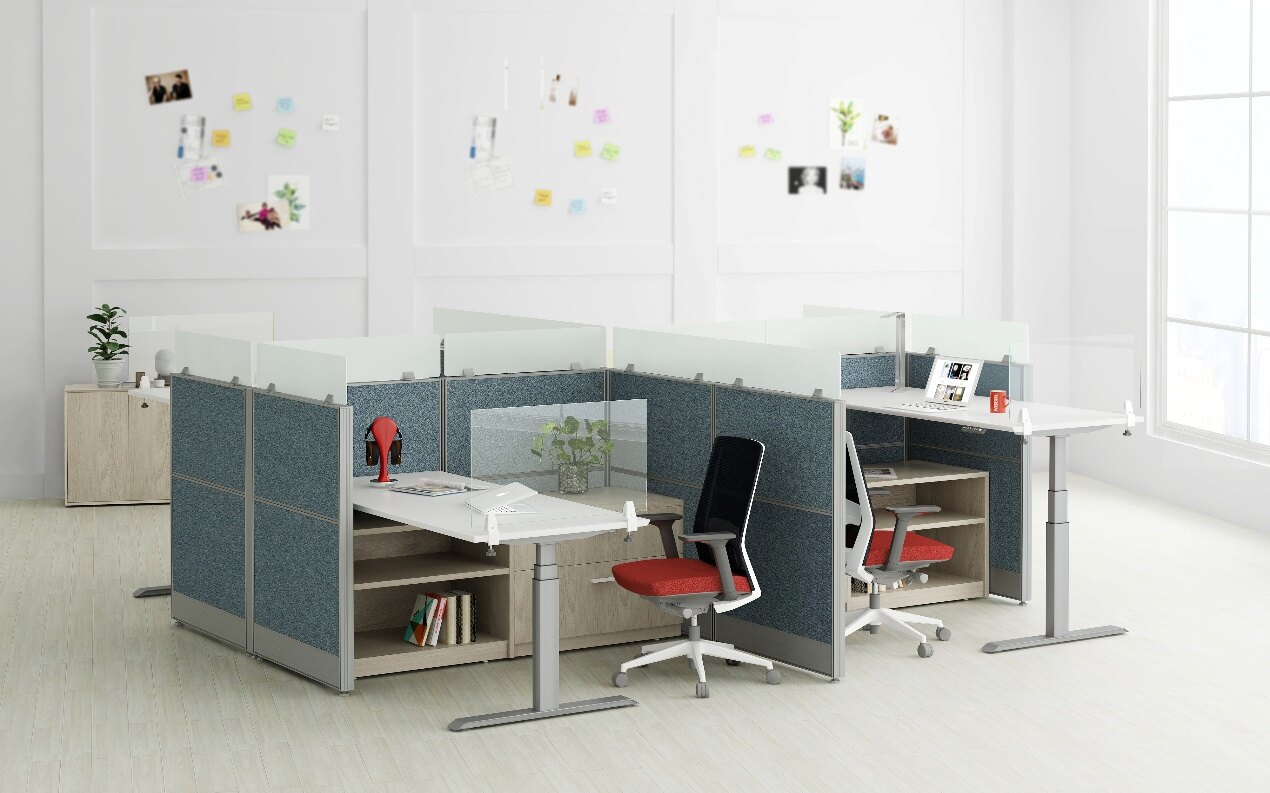
What is a Cubicle Office?
A cubicle office features a partitioned layout designed to give individuals privacy and a quiet area for focused working. Divided by partitions or desk screens, a private office gives everyone a dedicated space to minimize office distractions.
Advantages of Cubicle Offices
A private office layout with cubicles might require more furniture and forward planning, but get it right, and it can deliver some fantastic benefits.
Increased Privacy for Employees
Quiet Space for Fewer Distractions:
Interactions are Considerate:
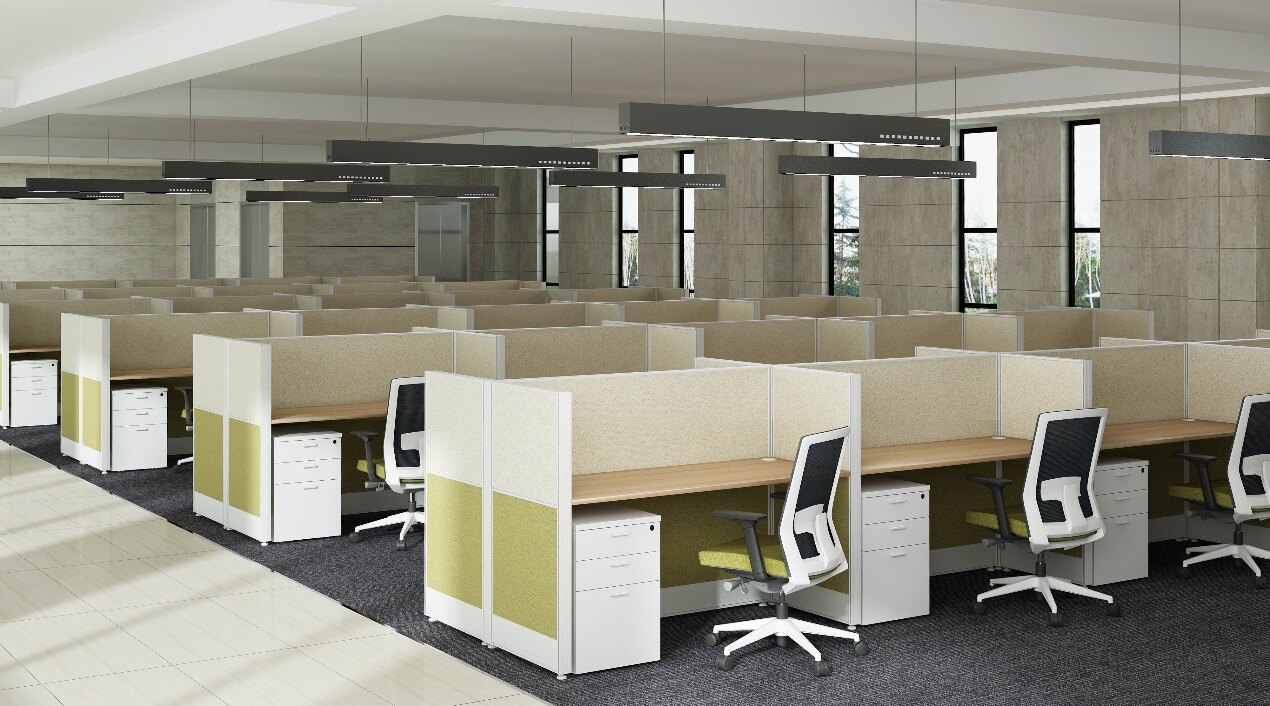
How to Select a Cubicle Configuration
Choose a layout that matches your operational goals:
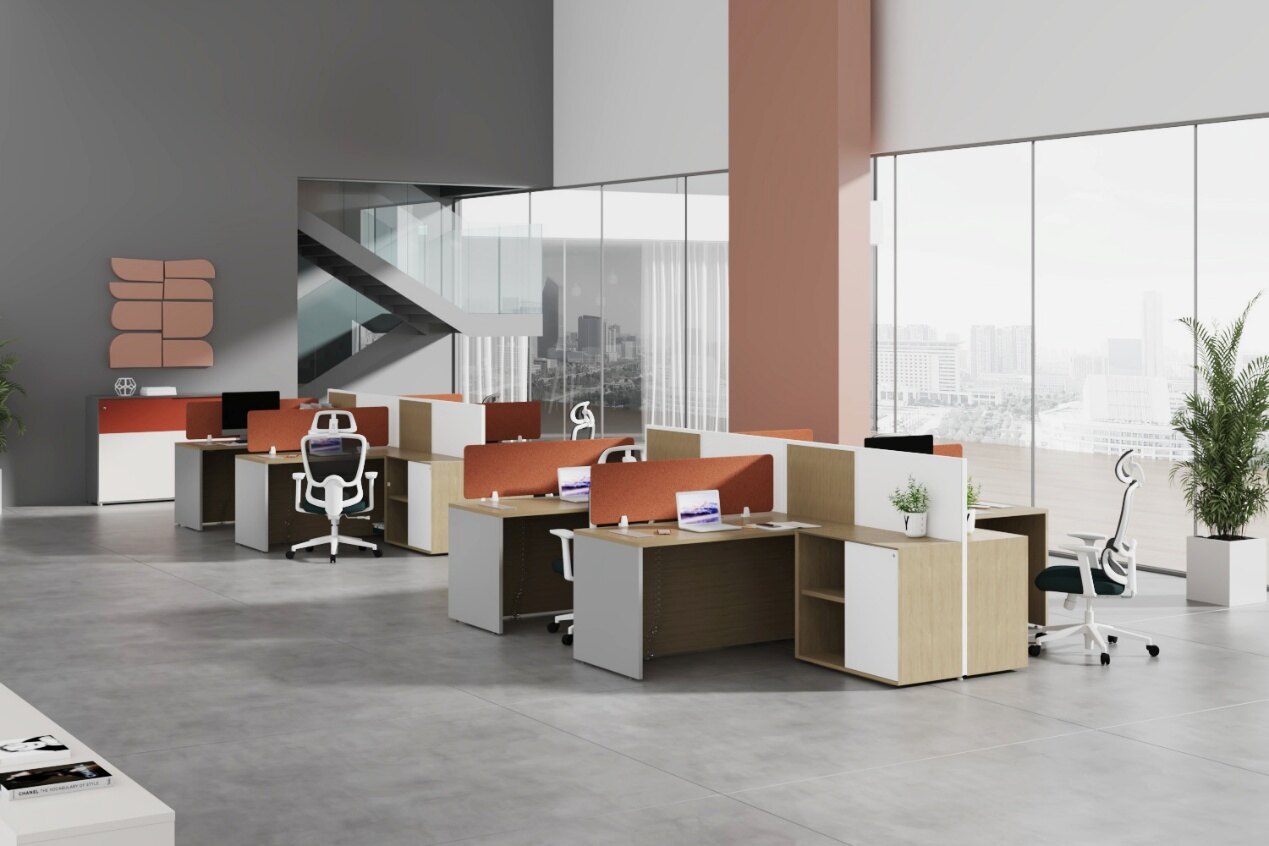
Linear/Straight-Run: Rows of cubicles are best for maximizing density in narrow spaces, ideal for call centers or administrative teams.
Clustered Pods: Grouping 3–6 workstations in a circle or "pinwheel" supports quick communication for project-based teams.
120-Degree Layout: Desks arranged at 120-degree angles encourage interaction from multiple directions and feel less rigid than standard squares.
Hybrid neighborhoods: Clusters of 4–6 cubicles surrounding a central collaborative table to support both individual and group work.
How to Determine Partition Heights & Materials
The height and material of office partitions dictate the functionality of the space:
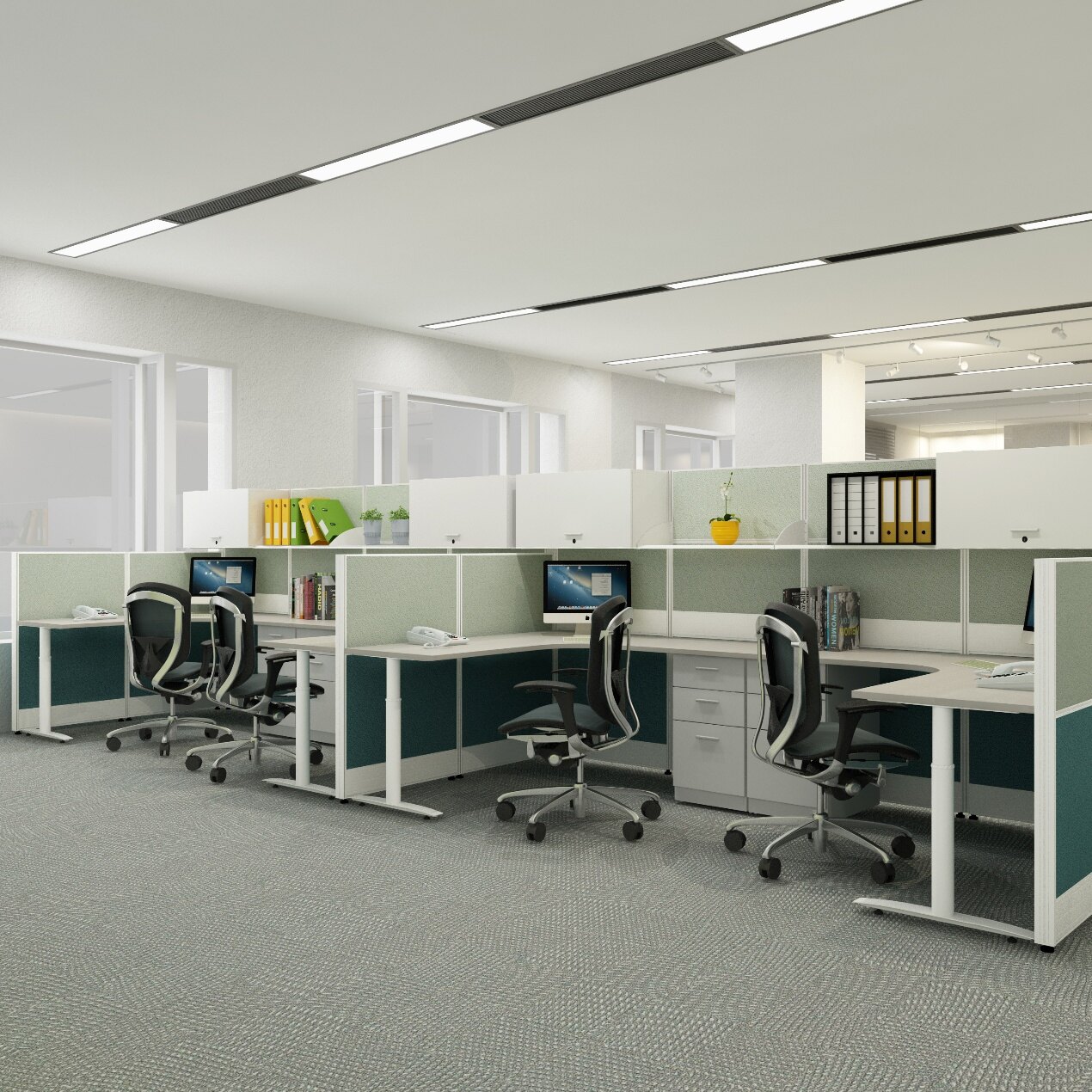
Low Panels (42–53 inches): Best for collaborative zones; they provide a personal desk area without blocking sightlines or natural light.
High Walls (60–72 inches): Necessary for HR, legal, or finance departments where confidentiality and noise reduction are paramount.
Materials:
Fabric: Cost-effective and provides acoustic sound absorption.
Glass: Maintains an open feel and allows light to penetrate deeper into the office floorplate.
Acoustic Panels: Engineered specifically to dampen noise in busy open offices
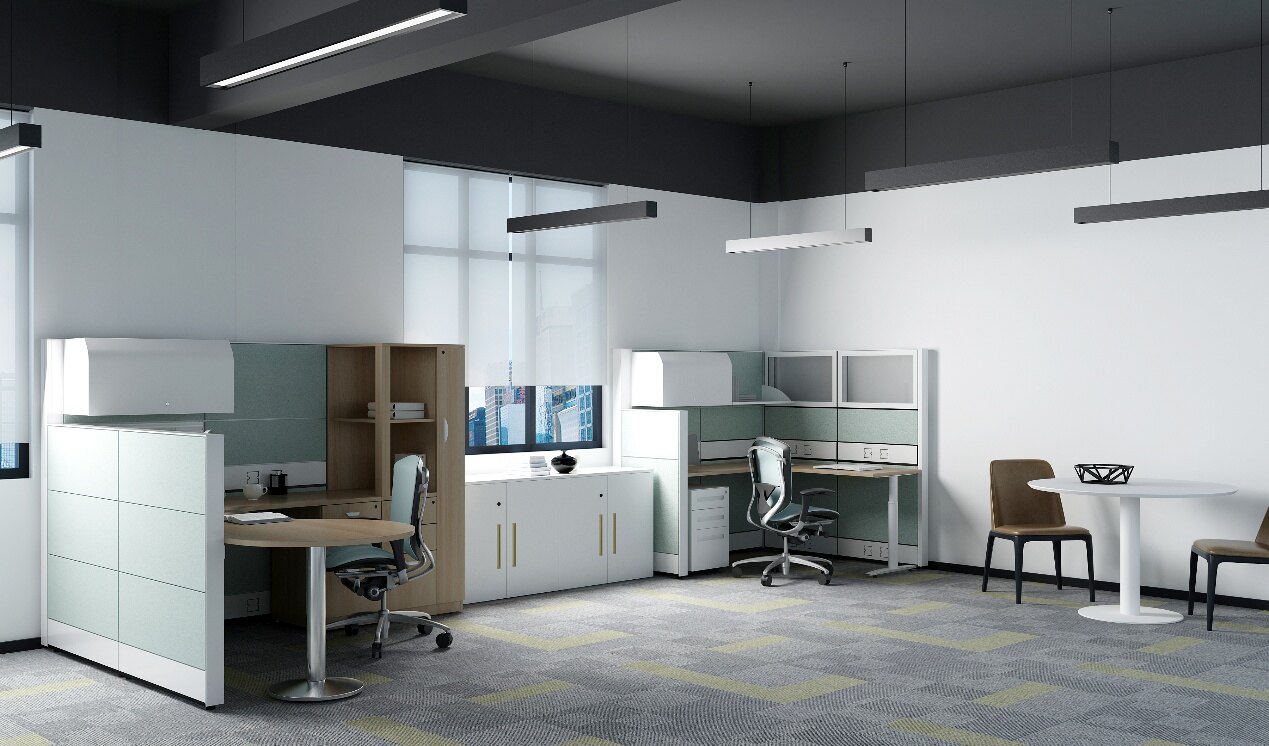
Planning an office partition cubicle layout is a strategic task that balances employee productivity, privacy, and space efficiency. A successful plan moves beyond a "sea of cubicles" to create a functional ecosystem tailored to your team's specific workflows.
By using tools or dedicated cubicle designer software to visualize 2D and 3D layouts before purchasing furniture, M&W offers modular systems designed for easy reconfiguration to an office setup.