
The Essential Furniture System Behind Every Successful Shared Workspace
Why Hot-Desking Gets a Bad Reputation
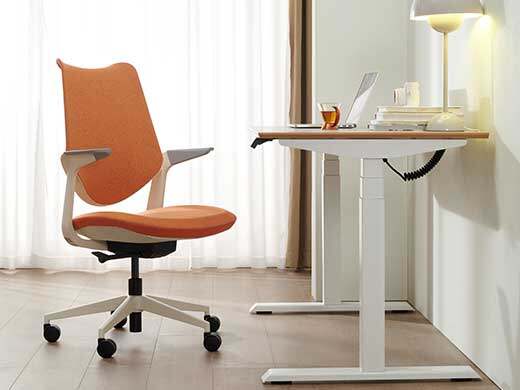
Hot-desking is one of the most polarizing topics in workplace design. Employees either love the flexibility or despise the chaos — and the difference almost never comes down to the concept itself. It comes down to one thing: whether the furniture system was designed to support it.
When organizations implement hot-desking by simply removing nameplates and telling employees to "embrace flexibility," the result is predictable. Desks covered in the previous user's leftovers. Power outlets that don't work. Chairs that don't adjust. No place to put a bag, a jacket, or a lunch box. Every morning becomes a scavenger hunt, and the office starts to feel less like a workplace and more like a waiting room where nobody knows their seat number.
This article is about the other path — the one where hot-desking works because the furniture system was built for it from day one.
Hot-Desking Is Not Going Away
Hybrid work is no longer an experiment — it is the default operating model for knowledge-work organizations worldwide.
92% of global organizations now include a hybrid component in their workplace policies, and 83% of workers favor a mix of remote and in-office days. A landmark randomized controlled trial published in Nature by Stanford researchers found that hybrid workers showed a one-third reduction in attrition with no decline in performance — a finding that has reshaped how enterprises think about office density.
The real estate math is decisive. Global office utilization reached just 54% in 2025 — meaning nearly half of all desks sit empty on any given day. JLL's 2025 benchmark report found that enterprises are now planning to increase their desk-sharing ratio from 1:1.1 to 1:1.3, with 81% citing space optimization as the primary goal of hybrid programmes.
The conclusion is inescapable: hot-desking and shared workstations are not a trend. They are the new baseline. The question is no longer whether to adopt them — it's how to do them well.
From "No Assigned Desk" to "A Complete Ecosystem for Every User"
The organizations that have cracked hot-desking understand a fundamental insight: the desk is only 20% of the equation. The other 80% is everything that surrounds it — storage, surface standardization, hygiene infrastructure, and wayfinding.
A 2026 industry survey found that 62% of mid-to-large enterprises are actively re-planning their office spaces, with modular, reconfigurable furniture identified as a top priority. Demand for sit-stand desks, acoustic partitions, and wireless-charging-integrated workstations is growing at compound annual rates of 28.7%, 34.2%, and 41.5% respectively — all products designed for shared, flexible environments.
The shift is from thinking about hot-desking as a policy to thinking about it as a furniture system — an integrated ecosystem where every element works together to make the shared experience seamless, dignified, and productive.
The Four-Pillar Shared Workspace System
A properly designed hot-desking environment rests on four interdependent furniture systems. Remove any one of them, and the entire model starts to fracture.
The single biggest source of hot-desking frustration is inconsistency. When some desks have dual monitors and others don't, when some have power outlets within reach and others require an extension cord, when some chairs are ergonomic and others wobble — employees will fight over the "good" desks and resent the "bad" ones. The solution is radical standardization.
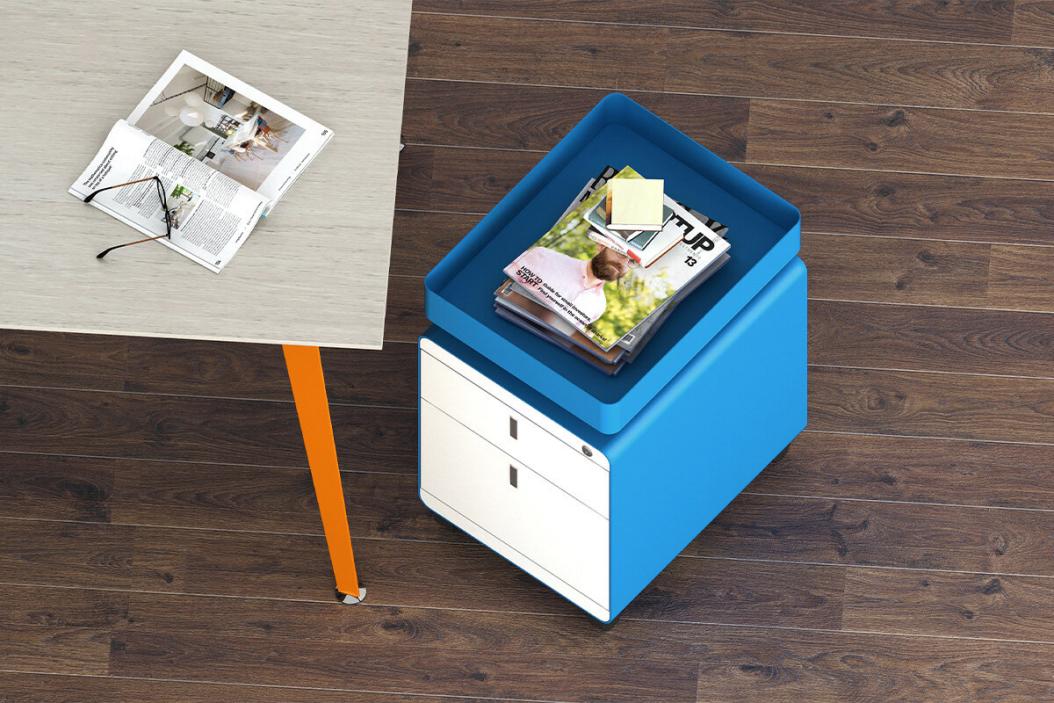
Every workstation in a shared environment should offer the same core specifications: a minimum 1400mm × 700mm work surface in a scratch-resistant, anti-fingerprint laminate that can be wiped clean in seconds between users. The surface should be free of permanent cable grommets that collect debris — instead, use retractable cable trays mounted beneath the desk that keep the surface clean and allow the next user to start fresh.
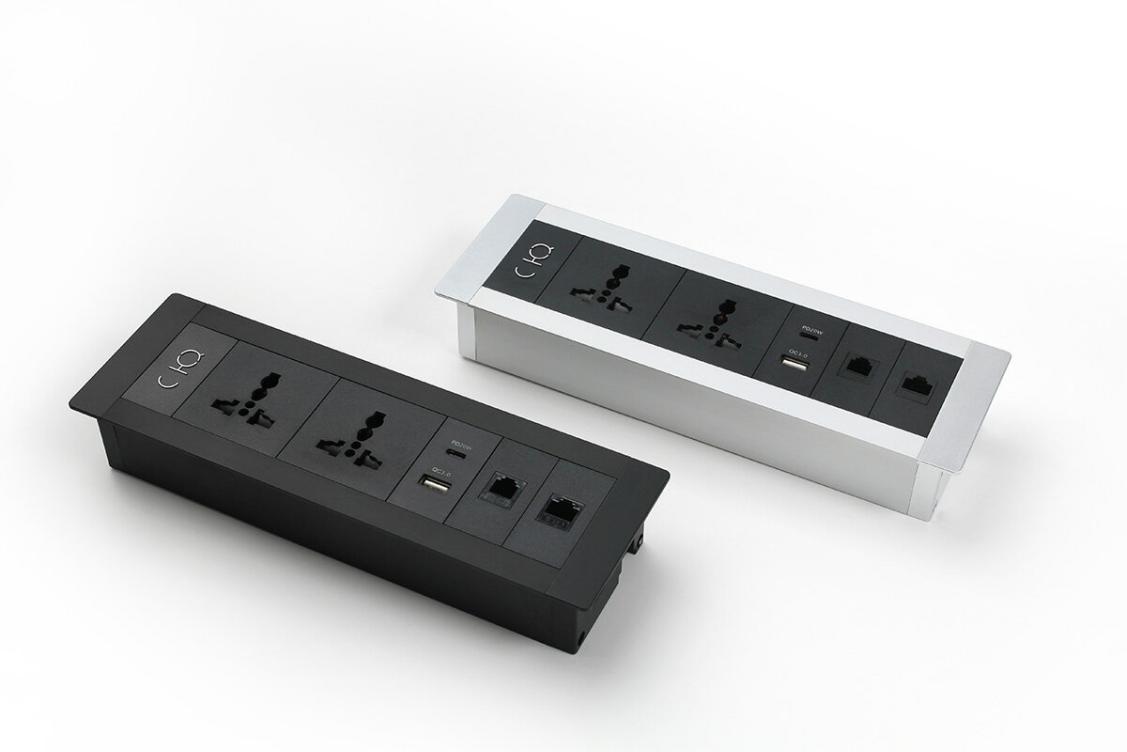
Each desk must include at least two AC power outlets, two USB-A ports, and two USB-C ports — ideally integrated into a flush-mounted desktop power module or a recessed cable port with a pop-up access panel. The goal is zero-adaptor docking: an employee should be able to sit down, plug in their laptop, and start working without asking anyone for anything.
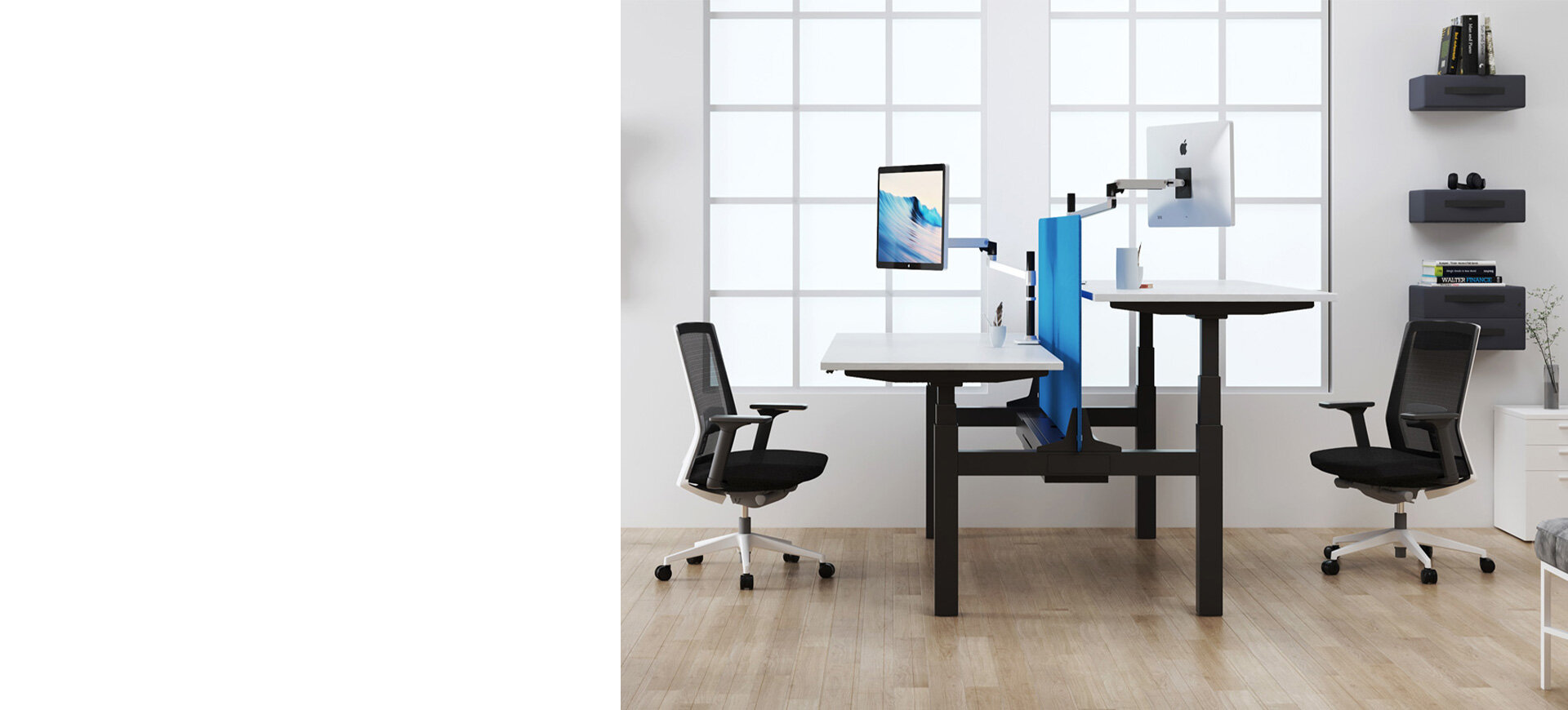
In a shared environment where users have different body measurements and posture preferences, a electric sit-stand desk with memory presets is no longer a luxury — it's a baseline expectation. The best shared-workspace desks offer a height range of 650mm to 1250mm, programmable height presets (so a frequent user can save their preferred position), and anti-collision sensors to protect equipment.
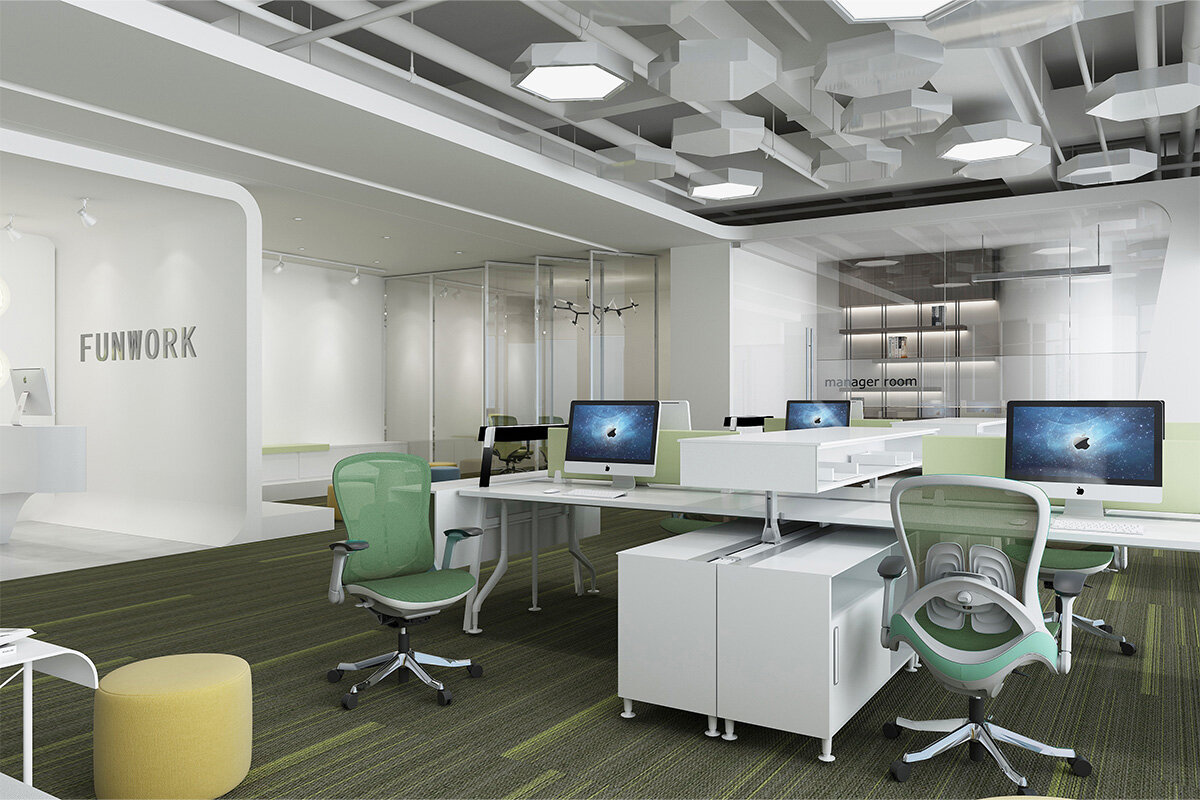
A shared chair must accommodate a wide range of body types without manual adjustment. Look for chairs with auto-adjusting lumbar support, weight-activated tilt tension, and breathable mesh backs that don't retain heat from the previous user. The chair should have soft-rolling casters suitable for both carpet and hard floor, and a seat depth adjustment range that fits users from 5'0" to 6'4"
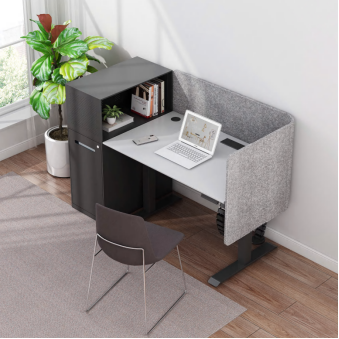
In an open shared floor, visual and acoustic privacy is critical. Height-adjustable desktop screens (minimum 400mm above desk surface) with NRC 0.65+ acoustic rating give each user a sense of personal territory without building walls. Screens with fabric-wrapped acoustic cores absorb conversation noise, while frosted polycarbonate lower panels provide visual separation without making the space feel closed in.
Hot-desking doesn't fail because employees hate flexibility. It fails because organizations implement the policy without building the infrastructure. The desk is just the starting point. The real system — the one that determines whether employees embrace shared work or rebel against it — is the combination of standardized surfaces, personal storage, hygiene protocols, and wayfinding that makes every seat feel ready, every arrival feel smooth, and every day feel like the office was designed for them, even if it wasn't assigned to them.
Contact Us Today to explore how our complete shared-workspace furniture system can turn your hot-desking policy from a source of frustration into a competitive advantage.