
Modern Office Furniture Trends and Buying Guide for 2026
In 2026, office furniture is no longer just a basic necessity for workplace setup. Modern businesses worldwide prioritize comfort, ergonomic design, environmental safety, flexible layout, and long-term durability when upgrading their office spaces. High-quality office furniture directly improves employee productivity, enhances corporate image, and creates a healthier and more efficient working environment. Whether you are renovating a startup office, expanding a corporate workspace, or furnishing a large industrial park, understanding the latest office furniture trends and selection standards will help you make a cost-effective and professional decision.
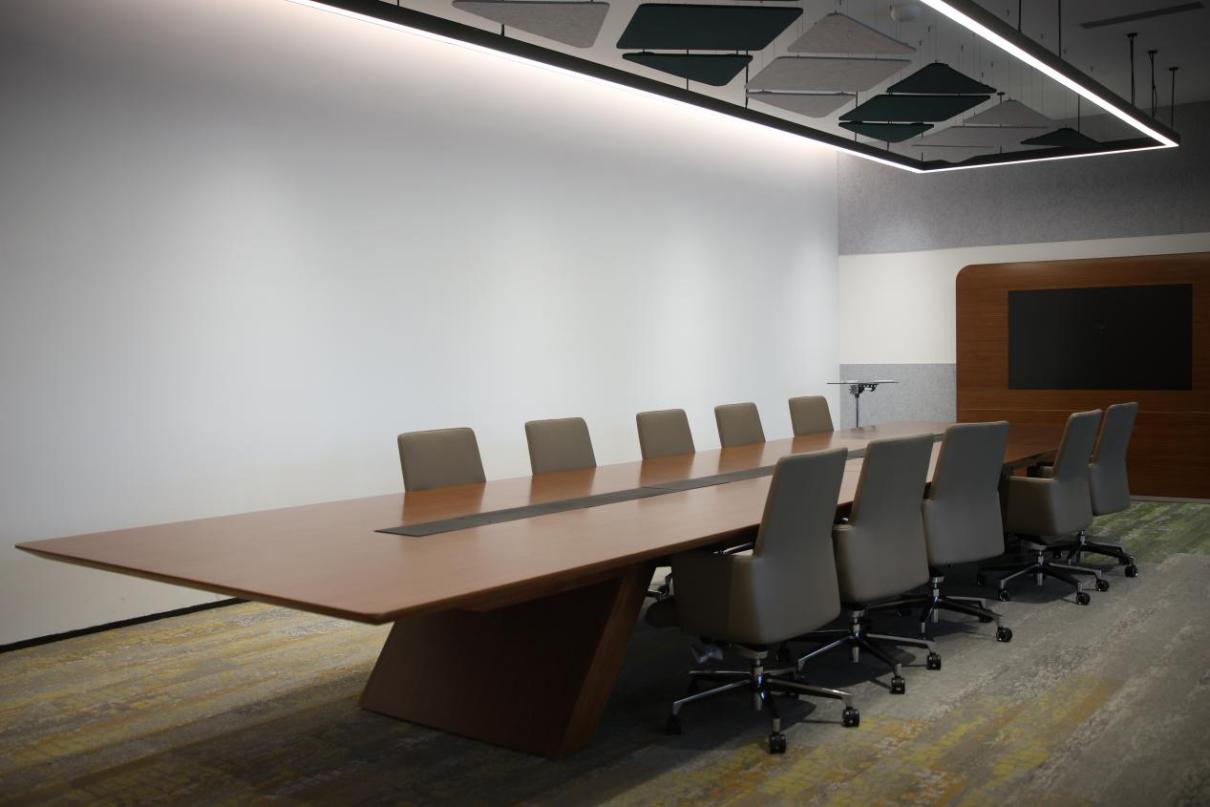
Why Modern Office Furniture Matters for Business Growth
Office layout and furniture planning can influence concentration, circulation, comfort, storage access, and the overall impression of a workplace. Outdated or poorly coordinated furniture may contribute to cramped layouts, exposed wiring, limited storage, and uncomfortable work settings. A coordinated plan can improve cable organization, movement, storage, and day-to-day usability.
Professional office furniture helps companies achieve three core improvements: optimized space utilization, healthier working posture, and a more professional brand appearance. For commercial projects, government offices, industrial parks, and enterprise headquarters, uniform and high-quality office furniture has become a basic standard for modern workplace construction.
Our M&W team is dedicated to providing professional services and designs for our clients.
Top 6 Office Furniture Trends in 2026
1. Modular and Flexible Office Layouts
Modular office furniture is a practical option for workplaces that expect layout changes. Desks, partition panels, mobile cabinets, and benching systems can be planned as coordinated components and reconfigured as departments, project needs, or available floor area change.
The value of a modular system depends on its connection method, available modules, cable routes, and installation conditions. When these details are considered early, the same product family can support hybrid work, phased expansion, and future departmental adjustments.
2. Ergonomic Design for Long Working Hours
Ergonomics is no longer an optional feature but a core requirement for high-end office furniture in 2026. Modern office chairs, height-adjustable desks, and ergonomic workstations are designed to reduce back pressure, correct sitting posture, and relieve shoulder and neck fatigue during long-hour work.
For procurement teams, useful ergonomic criteria include adjustability, lumbar support, seat-depth options, work-surface height, stability, and suitability for the intended work routine. Product claims should be checked against the supplier's specifications and test documents.
3. Eco-Friendly and Low-Formaldehyde Materials
Material and emission requirements vary by destination market and project. Buyers should confirm board grade, surface material, edge sealing, adhesives, coatings, and the test reports required for the installation location instead of relying on broad environmental claims.
Request current documentation for the specified materials and verify that the submitted sample, quotation, and production specification refer to the same construction and finish.
4. Minimalist and Modern Business Style
Simple lines, neutral finishes, and coordinated materials continue to suit many commercial interiors. The final design should reflect the company's brand, maintenance needs, lighting conditions, and the visual relationship between workstations, meeting areas, storage, and private offices.
Neutral finishes and wood-grain surfaces can create a calm professional setting, but durability depends on the substrate, edge treatment, hardware, surface specification, and expected level of use.
5. Smart Cable Management and Neat Storage
Cable planning should be coordinated with the floor plan and electrical requirements. Depending on the product system, desks and workstations may use cable ports, trays, channels, or integrated routing components to keep power and data access organized.
Storage should be selected around document security, personal storage, shared supplies, equipment access, and circulation. Mobile pedestals, side cabinets, filing cabinets, and wall storage can be combined according to each zone's needs.
6. Customized Office Furniture for Project Needs
Customized office furniture can help align product dimensions, finishes, storage, cable management, and branding with the project plan. Customization should be confirmed through drawings, finish samples, specifications, and an approved quotation before production.
This approach is particularly useful for office relocations, phased renovations, headquarters projects, dealer orders, and commercial interiors that require coordinated product families across several functional zones.
Core Types of Modern Office Furniture for Full Workspace Furnishing
A complete modern office solution includes systematic matching furniture for different functional areas:
1. Staff Workstation Desks
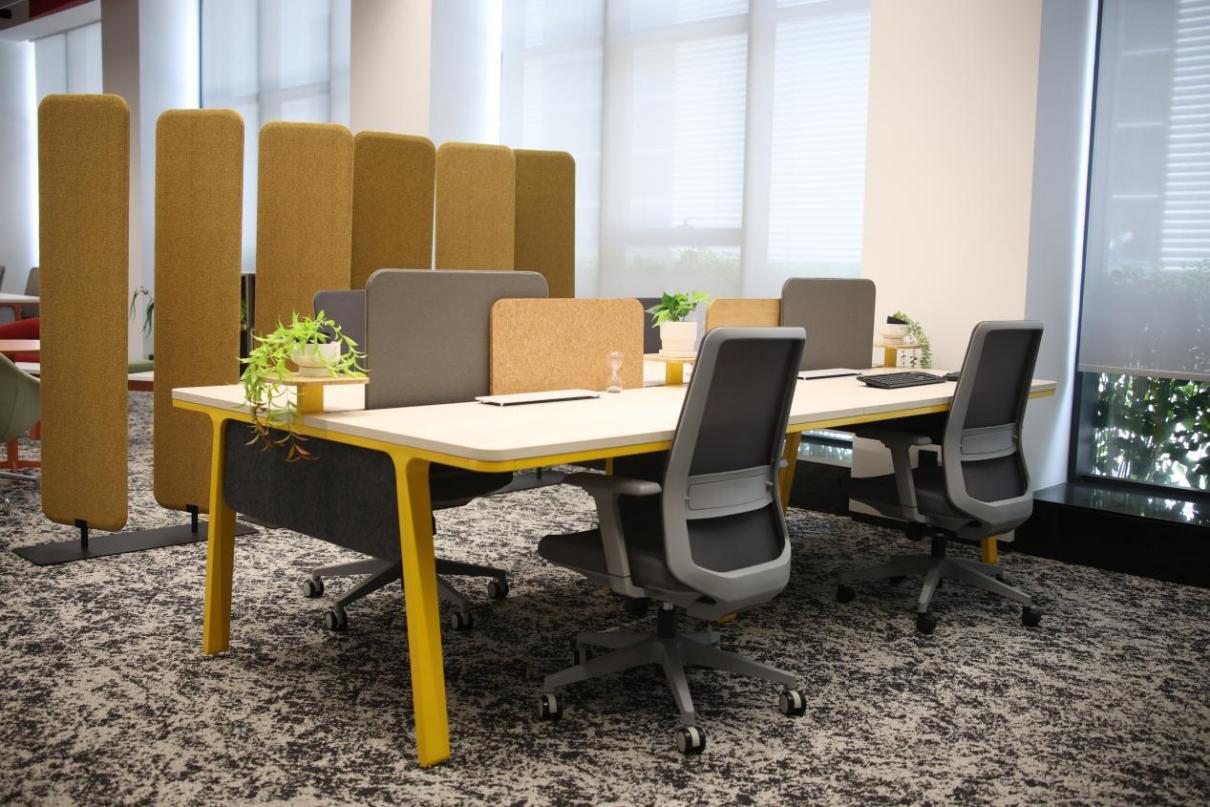
Open-plan workstation systems can be configured in different layouts without defining a fixed number of users. Buyers should compare work-surface dimensions, frame stability, screen options, cable routing, storage compatibility, edge treatment, and cleaning requirements.
2. Ergonomic Office Chairs
Task chairs, mesh chairs, and executive seating should be selected by adjustability, support, upholstery, mobility, test documentation, and the length and type of use expected in each area.
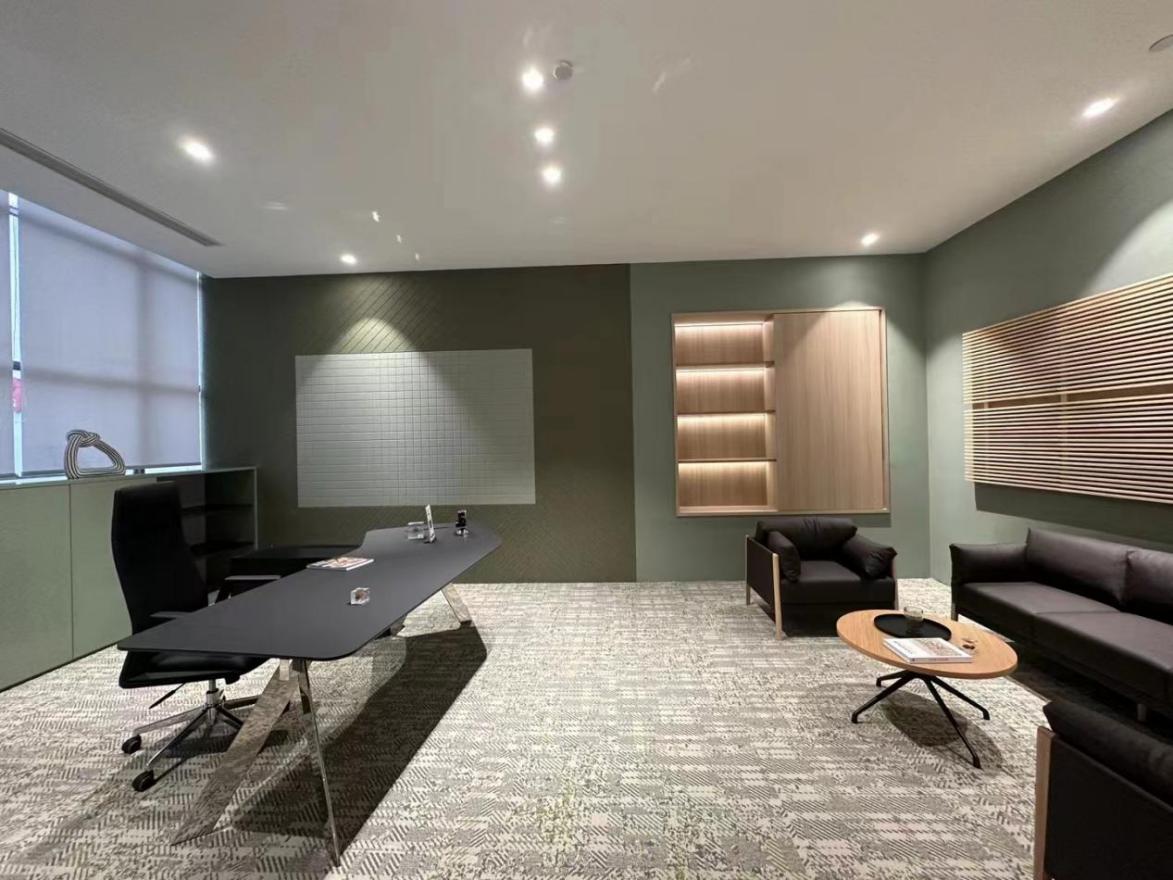
3. Manager and Executive Desks
Modern executive desks, manager tables, and director desks adopt high-grade board materials and simple business design, matching independent private offices and leadership workspace.
4. Meeting Room Furniture
Meeting-room furniture should be planned around room dimensions, circulation, presentation equipment, power access, sightlines, and the intended meeting format rather than a fixed seating count.
5. File Cabinets and Storage Systems
Vertical cabinets, low side cabinets, mobile pedestals, and wall storage can support documents, personal items, shared supplies, and equipment when their dimensions and access clearances are coordinated with the layout.
How to Choose High-Quality Office Furniture in 2026
1. Check Board Thickness and Material Quality
Check the actual panel thickness, substrate, surface finish, edge banding, hardware, and load requirements listed in the quotation. Do not assume that one board thickness or material specification is suitable for every product or project.
2. Confirm Environmental Protection Standards
Ask the supplier which emission, environmental, durability, or safety documents apply to the quoted products and destination market. Confirm the report holder, test scope, model coverage, and validity where relevant.
3. Focus on Structural Stability
Review frame material, connector design, hardware, assembly method, leveling components, and applicable test information. Stability should be evaluated against the specific product configuration and installation conditions.
4. Match Style with Corporate Positioning
Match the design direction to the client's brand, workplace culture, maintenance plan, lighting, architecture, and target user experience. Avoid assigning one visual style to an entire industry without considering the project brief.
5. Choose Professional Factory Suppliers
When comparing office furniture manufacturers, review production capability, drawing support, sample approval, quality-control checkpoints, packaging, delivery coordination, installation guidance, and after-sales responsibilities. Factory supply can be useful, but the scope must be confirmed in writing.
Why Choose Professional Factory Office Furniture Solutions
A one-stop office furniture solution can coordinate space planning, product selection, finish confirmation, customization, production, packaging, delivery support, installation guidance, and after-sales communication. Buyers should define responsibilities, approval stages, and deliverables before placing the order.
For overseas and project orders, confirm drawings, specifications, quantities, packaging, inspection requirements, shipping terms, lead-time assumptions, and installation responsibilities. These controls reduce coordination risk and make supplier comparisons more transparent.
Conclusion
Modern office furniture procurement increasingly considers ergonomics, material documentation, modular flexibility, visual coordination, cable management, and customization together. The best solution is the one that matches the floor plan, work patterns, project standards, budget, and future adjustment needs.
A clear specification, coordinated product plan, approved samples, and defined delivery responsibilities help buyers make a more reliable long-term purchasing decision.