
Colorful Office Leisure Area Design & Layout for Vibrant Workplaces
Color is often the first thing people notice in an office leisure area, but the way furniture is arranged is what makes the space inviting and useful. A combination of sofas, lounge chairs, colorful stools, and coffee tables can accommodate everything from a quick coffee break to a relaxed conversation. With thoughtful color combinations and a well-planned layout, the leisure area can stand out from the regular workstations while still feeling connected to the rest of the office.
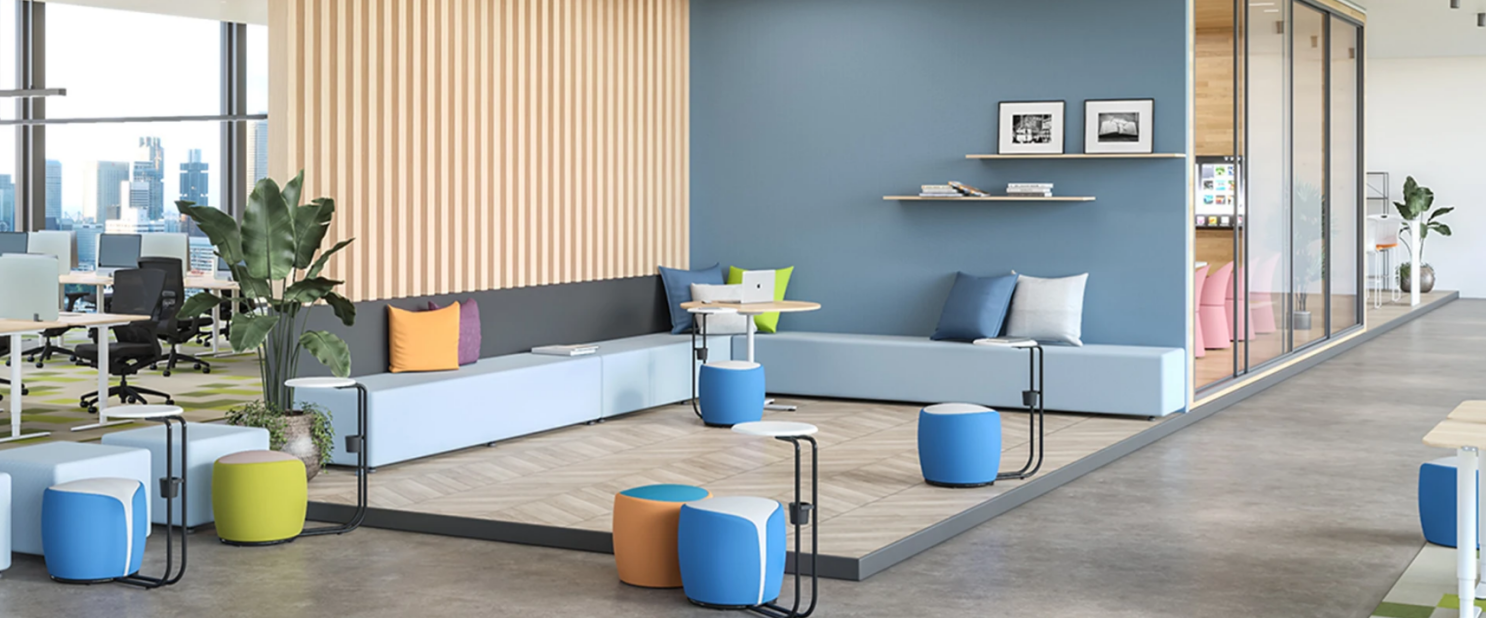
Leisure Area / Chatting Zone Design
Why You Need a Leisure Area in the Office?
Not every conversation needs a meeting room, and not every break needs to happen away from the office. A comfortable lounge gives employees a place to step away from their desks, enjoy a short break, or catch up with colleagues in a more relaxed setting. Sometimes, the best conversations happen over a cup of coffee rather than around a conference table.
A well-planned leisure area also gives the office more flexibility. It can serve as a waiting space, an informal meeting point, or a place for employees to recharge between tasks, depending on how the furniture and layout are arranged.
What are the Must Haves Furniture and Accessories for a Leisure Area?
Creating a functional and inviting office leisure area requires a thoughtful blend of comfort, style, and practicality. Whether you're designing a dedicated lounge or integrating a cozy corner into your workspace, here are the essential furniture pieces and accessories to consider:
1. Comfortable Seating
Lounge Chairs & Sofas: Opt for ergonomic lounge chairs or sofas with soft coverings for rest and chill out in informal meeting areas.
Modular Seating: Modular sofas and seating units can be rearranged to suit different group sizes, from small conversations to larger informal gatherings.
2. Functional Tables
Coffee Tables: A center coffee table offers a place to set drinks, snacks, or work together. M&W VL round table or tray table is a good one, and also fits in nicely with the look of the lounge chairs.
Side Tables: Have side tables near seating for convenience so people can set down personal items or devices.
3. Defining Zones and Storage
In an open office, lounge areas can easily blend into surrounding workspaces without clear boundaries. Low cabinets, bookcases, or partition screens can help define different zones while providing useful storage for books, magazines, and everyday items. This keeps the area organized without making it feel closed off.
4. Essential Accessories
Power outlets and USB charging points make it easier for employees to charge their devices or connect laptops when using the lounge area for informal work. Integrated cable management keeps wires out of sight, helping the space stay tidy and comfortable for both relaxation and casual collaboration.
Other accessories such as:
Lighting: Combine soft ambient lighting with focused task lighting where needed. Pendant lights or floor lamps can help create a more relaxed atmosphere, while providing enough light for reading or casual laptop use.
Textiles: Cushions, rugs, and upholstered finishes can soften the overall look of the lounge area. They also offer an easy way to introduce color and create a more relaxed contrast with harder furniture surfaces.
Plants: Adding plants can improve air quality and contribute to a calming environment. Consider low-maintenance options like succulents or snake plants.
Artwork & Decor: Personalize the space with artwork, rugs, or decorative items that reflect the company's culture and aesthetic preferences.
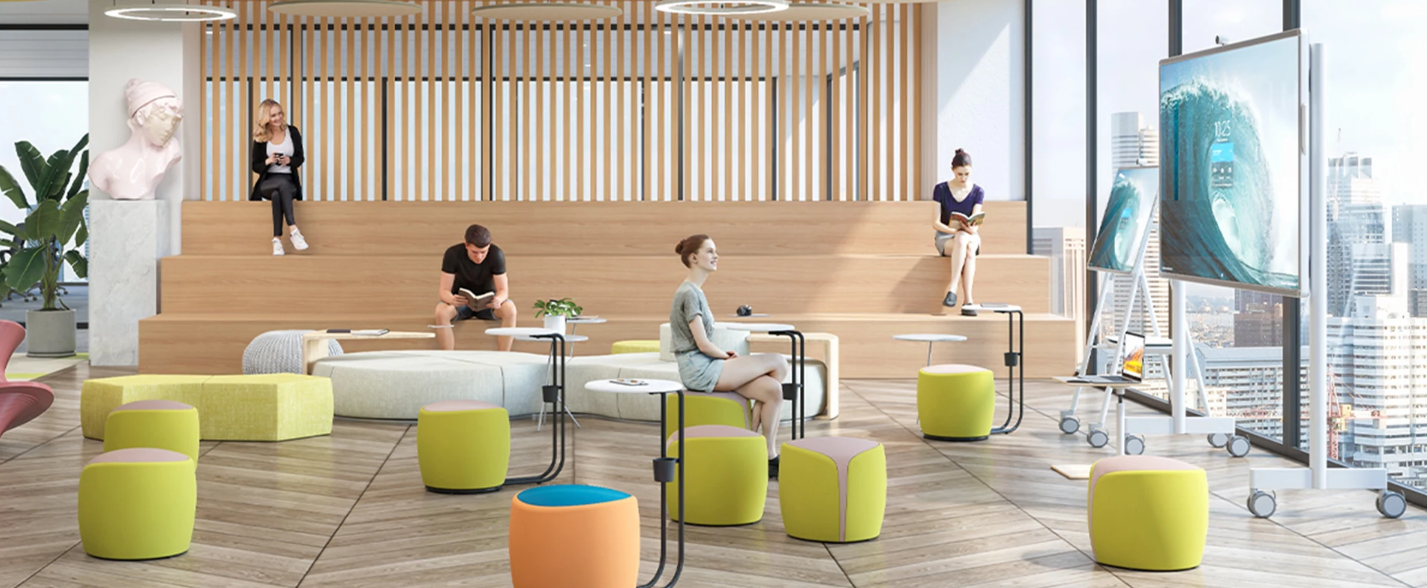
How to Design an Office Lounge Area: Tips for Success
Here's a guide for designing an office leisure area that's productive, comfortable and fun:
1. Define the Purpose
Determine if the space is for solo relaxation, casual gathering at desks, collaboration, or some combination of these.
2. Optimize Layout
Zoning: Use partition walls or furniture placement to create distinct zones (e.g., lounging or work).
Flow & accessibility: Ensure pathways are clear and furniture placement allows easy movement.
Flexible arrangements: Modular seating or lightweight furniture allows for reconfiguration based on needs.
3. Select Comfortable and Functional Furniture
Seating: Lounge chairs, sofas, and bean bags with ergonomic support.
Tables: Coffee tables, side tables, or small communal tables for drinks, laptops, or casual work.
Multipurpose pieces: Consider storage benches or foldable desks that double as functional surfaces.
4. Incorporate Lighting Thoughtfully
Layered lighting: Use a combination of ambience, task and accent light for comfort.
Natural light: Open windows or use skylights to enhance mood and energy.
Adjustable lighting: Add lamps (floor or table) so that users can adjust their brightness.
5. Introduce Color and Texture
Color psychology: Calming tones like blues and greens, or energizing accents like yellow and orange.
Textures: Mix soft textiles (pillows, rugs) with harder surfaces (wood, metal) for comfort and interest.
6. Add Plants
Plants: Use indoor plants to improve air quality and reduce stress.
Low-maintenance options: Succulents, snake plants, or pothos are ideal for office environments.
7. Focus on Acoustics
Soft furnishings: Rugs, cushions, and upholstered seating reduce noise.
Partitions or panels: Acoustic screens or room dividers help maintain a quieter environment.
8. Incorporate Technology Thoughtfully
Charging stations: Have access to outlet or wireless device chargers.
Leisure: Optional TV or music systems for entertainment with volume control operated.
9. Personalize Your Space
Art and decor: Depict your culture and keep things looking nice.
Interactive elements: Games, books, or magazines encourage social interaction and mental breaks.
10. Maintain Accessibility & Safety
Inclusive design: Furniture and spaces should accommodate people of all abilities.
Ergonomic principles: Avoid sharp corners and ensure seating supports proper posture.
Obvious paths: Minimize tripping hazards and floor clutter to help decrease the likelihood of slips and falls
|
Leisure Area Type |
Recommended Furniture |
Main Design Focus |
|
Employee Break Area |
Sofas, lounge chairs, coffee tables |
Comfortable seating and relaxed atmosphere |
|
Informal Chatting Area |
Lounge chairs, stools, side tables |
Easy conversation and flexible seating |
|
Collaborative Lounge |
Modular sofas, communal tables, mobile stools |
Group interaction and flexible arrangements |
|
Quiet Relaxation Corner |
Lounge chairs, side tables, floor lamps |
Comfort, softer lighting, and visual separation |
|
Pantry Leisure Area |
Bar stools, high tables, plastic chairs |
Easy cleaning, casual dining, and convenient use |
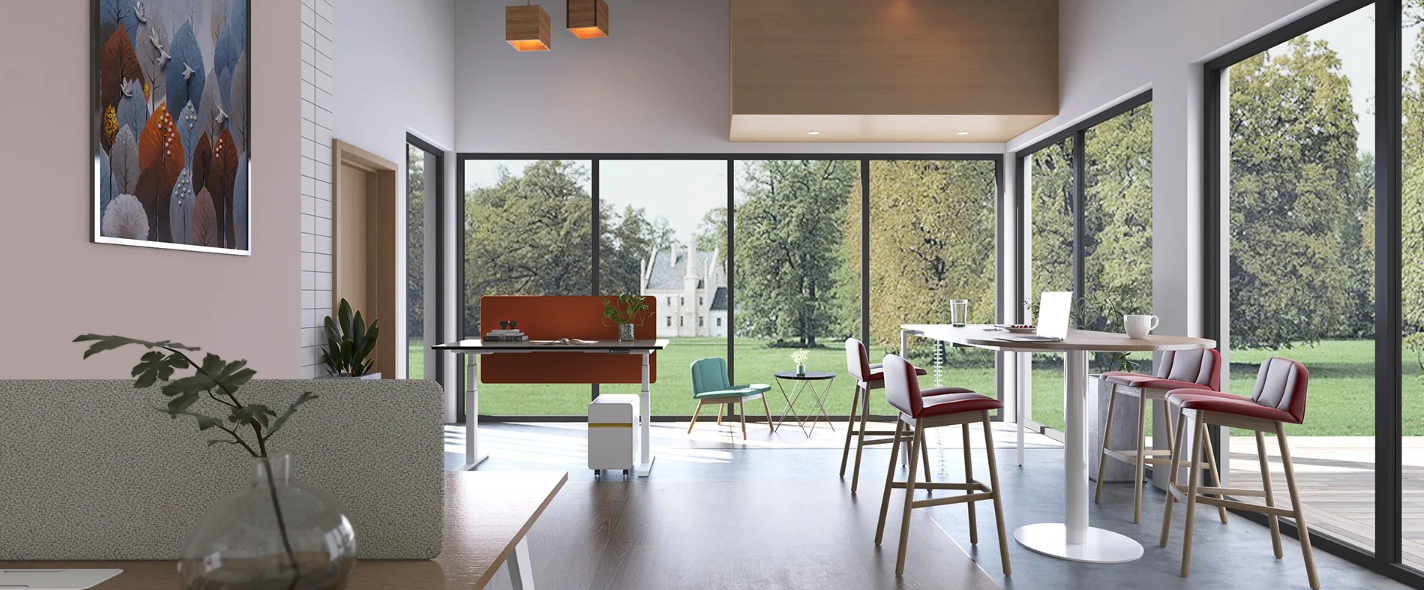
Conclusion: Creating Vibrant Office Leisure Areas with M&W
It is essential to have an efficient yet fun office leisure area to stimulate creativity, teamwork and happiness. Thoughtful choices in lounge furniture, layout, color, and accessories—from sofas and stools to partition walls and storage solutions—ensure the space is both inviting and practical.
More importantly, partnering with a comprehensive office space solutions provider like M&W ensures that every detail, from design and layout to furniture selection and implementation, aligns with your company's culture and operational needs. We offer up to 5 leisure area design solutions for you to choose from to meet your needs. Get in touch with us now for further information.