
Color Psychology in Office Furniture
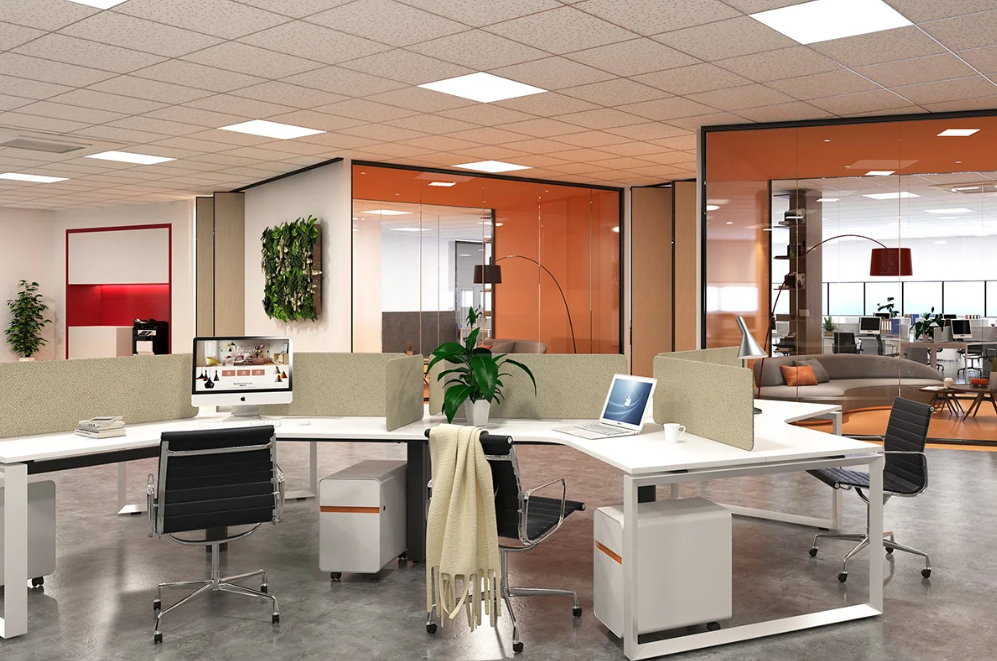
Color Psychology in Office Furniture
Color is one of the first things people notice in a workspace. It can change how a room feels, help define different zones, and influence how employees perceive their surroundings. Research also suggests that color may affect mood and task performance, although the response depends on factors such as the shade, intensity, task, and individual preference.
For office furniture, this means color should be chosen together with the function of the space, lighting, materials, and overall interior design—not as a standalone solution.
At M&W, we leverage our 37 years of expertise to integrate functional design with impactful colors. From our Staff Chairs-Apex A1, designed with human-centric ergonomics, to the innovative Desk System-M4S2 Motor Lift, we create furniture solutions that combine practicality and psychological insight.
The impact of color on mood and productivity
The Science of Color Psychology in Office Furniture Design
Color is more than a decorative choice. Research in environmental psychology suggests that color can influence emotional response, visual perception, arousal level, and task performance. However, these effects are not determined by hue alone. Brightness, saturation, lighting conditions, the type of work being performed, and personal or cultural preferences can all change how a color is experienced.
For workplace design, this means color can be used as a practical environmental tool rather than simply as decoration.
- Blue: Often associated with calmness and lower visual intensity, making it a common choice for areas where concentration and focused work are important.
- Green: Frequently linked with natural environments and visual comfort, which makes it suitable for workplaces that want a softer, more balanced atmosphere.
- Gray and Beige: Neutral colors create a stable visual background and are easy to coordinate with different furniture, flooring, and partition finishes.
- Red, Orange, and Yellow: Warmer, higher-energy colors can increase visual stimulation and are often used as accents in collaborative, social, or creative areas rather than across large surfaces.
Scientific studies also show that color responses are context-dependent. The same color may produce different effects depending on its intensity, surrounding materials, lighting, and the task taking place in the space. For this reason, office color planning should combine psychological research with practical design factors such as room function, natural light, furniture scale, and brand identity.
Choosing the Right Color for Office Furniture
Staff Chairs-Apex A1: Ergonomics and Elegance in Harmony
M&W’s Staff Chairs-Apex A1 exemplify how thoughtful design meets the principles of color psychology. This chair, available in versatile shades like classic black or soft gray, aligns perfectly with professional environments where productivity and comfort go hand in hand.
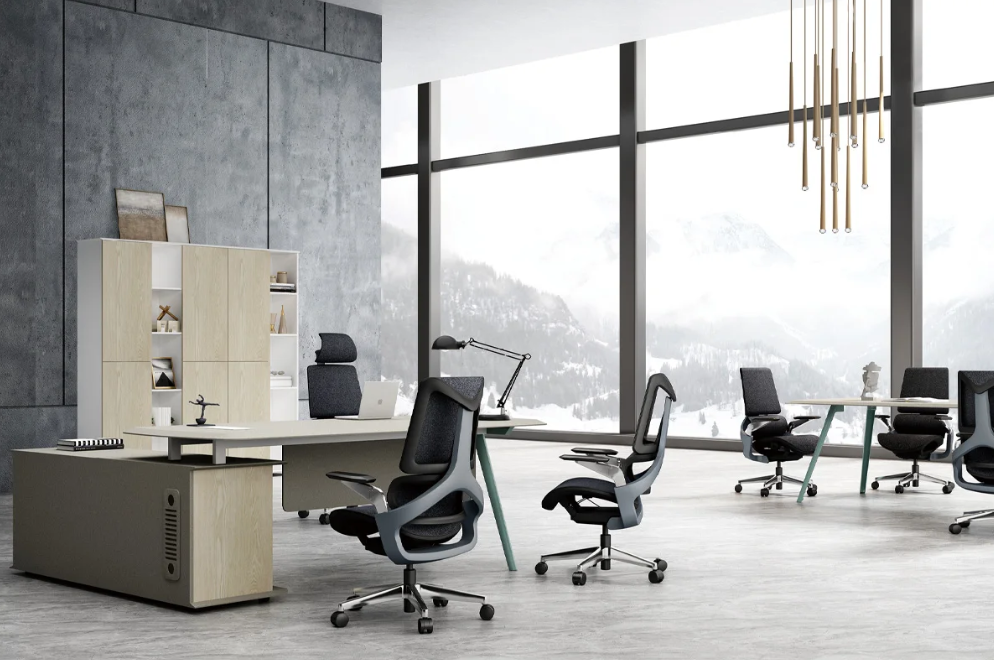
Staff Chairs-Apex A1
The Apex A1 doesn’t just stand out for its ergonomic features like 6D space aluminum armrests, neck protection headrest, and large arc seat cushion—it also embodies a sophisticated aesthetic. The neutral tones of this chair complement various office furniture colors, making it suitable for a wide range of office settings.
The carefully selected palette helps create a visually cohesive workspace that supports focus and creativity. Paired with ergonomic excellence, the Apex A1 ensures that employees feel physically and mentally at ease, boosting productivity and satisfaction.
M4S2 Motor Lift Desk: Elevating Workspaces with Dynamic Functionality
Light finishes such as white or silver can help large furniture pieces feel visually lighter, which can be useful in compact or minimalist offices. They also coordinate easily with stronger accent colors on chairs, screens, or storage.
The M4S2 uses a four-leg synchronous lifting system to keep the work surface stable as the desk moves between sitting and standing heights. Its anti-collision function helps reduce the risk of the desk hitting nearby furniture or objects during adjustment, while the low-noise lifting system is better suited to shared office environments where frequent height changes should not disturb nearby employees. The finish can then be selected to match the wider interior palette.
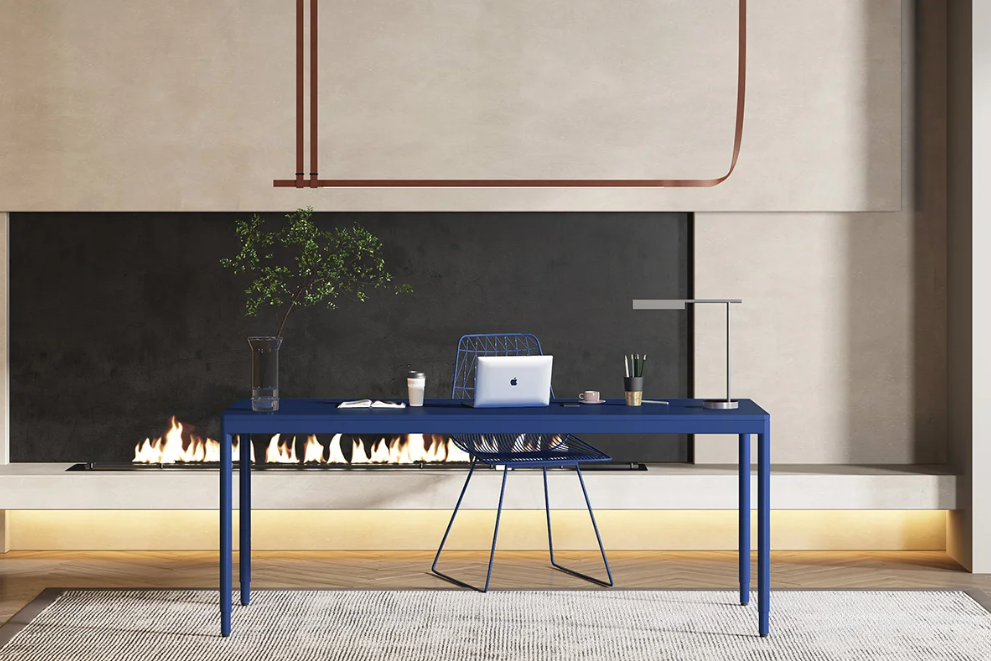
M4S2 Motor Lift Desk
Office Design Color Suggestions for Maximum Impact
- Neutral Foundations: Use whites, grays, and beiges as base colors to maintain a clean and professional aesthetic.
- Accent with Brights: Introduce bold colors like orange or yellow in small elements, such as cushions or wall art, to energize collaborative spaces.
- Green and Blue for Calm Zones: Incorporate green or blue furniture in private offices or relaxation zones to promote serenity and focus.
- Balance is Key: Avoid overloading any one area with intense colors. Instead, blend shades strategically to maintain harmony.
|
Office Area |
Color Approach |
Practical Reason |
|
Open Workstations |
Neutral base + limited accents |
Keeps large areas visually consistent |
|
Meeting Rooms |
Neutral or darker tones with accents |
Creates a more defined meeting setting |
|
Focus Areas |
Softer, less visually intense colors |
Reduces visual distraction |
|
Lounge / Breakout |
Warmer or stronger accent colors |
Adds character to informal spaces |
|
Reception |
Brand colors used selectively |
Supports visual identity without overwhelming the space |
At M&W, we understand the power of colors in transforming workplaces. By integrating color psychology with innovative furniture design, we help businesses create environments that inspire and motivate.
Why Choose M&W for Your Office Furniture Needs
As a trusted partner of Steelcase and a designated supplier for top global companies, M&W brings unmatched expertise to the office furniture industry. Our solutions, such as the Apex A1 Staff Chair and M4S2 Motor Lift Desk, are designed to meet the evolving needs of modern workplaces. With over 120,000㎡ of production space and 600 skilled professionals, we ensure that every product reflects our commitment to quality, innovation, and sustainability. Whether you need ergonomic seating, adjustable desks, or advice on office furniture colors, M&W is your go-to expert for office design solutions.
Conclusion: Designing with Purpose
Color works best in an office when it supports what people are doing in the space. Calm tones can make focus areas feel quieter, stronger accents can give social or collaborative zones more energy, and neutral finishes help larger furniture pieces sit comfortably within the overall interior. Rather than treating color as decoration alone, it should be planned together with lighting, materials, furniture scale, and brand identity. M&W brings these elements together through coordinated furniture finishes and space planning, helping offices use color with purpose rather than simply for visual effect.