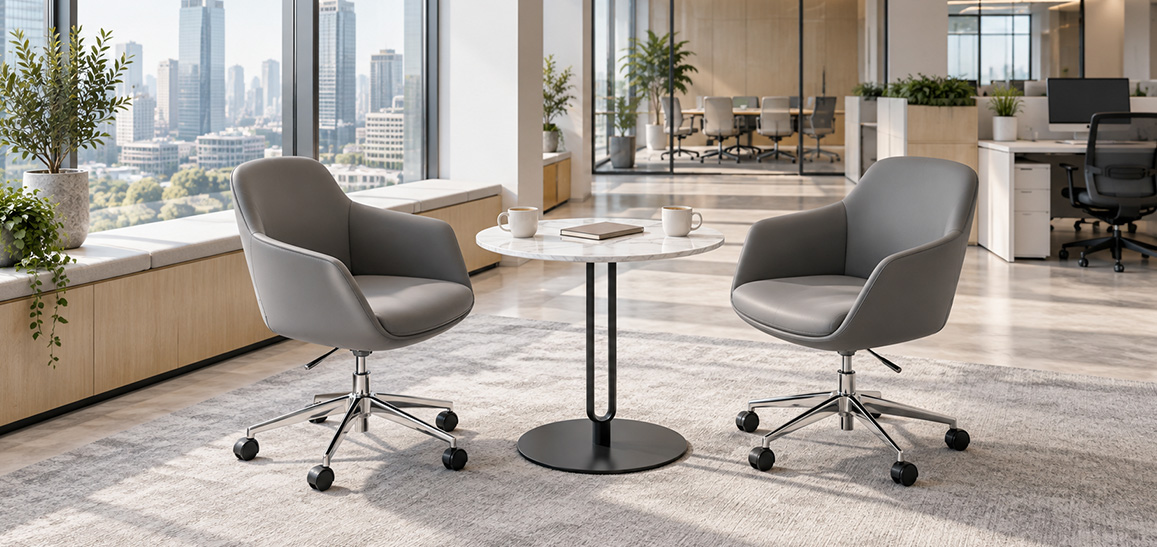
Small Office Breakout Area Layout Ideas for Unused Corners

1147x542


How Can an Unused Office Corner Become a Breakout Area People Want to Use

When I look at an office floor plan, I pay particular attention to the spaces without desks: a stretch beside a window, a corner between departments, or an open spot near the coffee area.

These spaces may seem insignificant, but they can become welcome parts of the working day. After a busy stretch, people need somewhere to sit, enjoy a drink, and reset. Some conversations also work well when colleagues can step away from their desks for a few minutes.

When planning an office breakout area, my first question is: how can this small space support the way people actually work?
We want a breakout area but we do not have any spare space

The challenge is often that the office already feels fully allocated. Desks, meeting rooms, and storage all need to stay, while employees still need somewhere for a short break or an informal conversation.

I usually suggest taking another look at the existing layout.

A window-side space may be unsuitable for a full workstation. A corner may be too small for a sofa arrangement but could accommodate two lounge chairs and a compact coffee table. If the furniture allows comfortable access and works with the surrounding activities, it is worth exploring.

Fitting the furniture into the floor plan is only the beginning. Will a chair block the route when someone gets up? Will users sit too close to a workstation? Could conversations disturb nearby colleagues? These details determine whether the corner will work in everyday use.

  • 559x559

    When a client shares a floor plan and site photos, I start with three questions: who will use the area, how many people will normally sit together, and whether the main purpose is relaxing or talking.

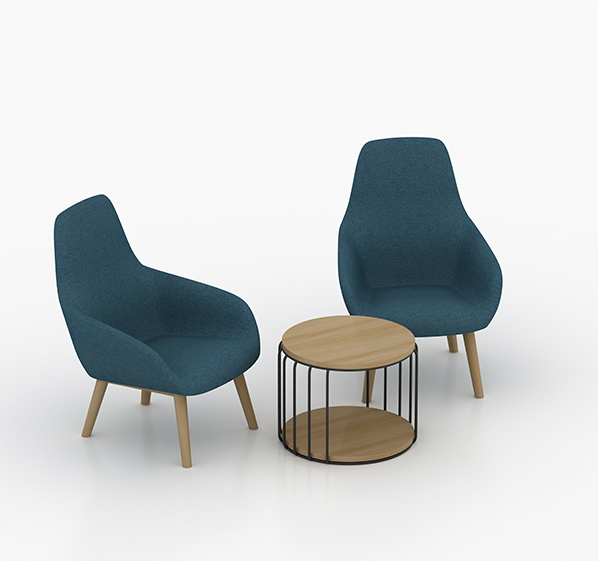
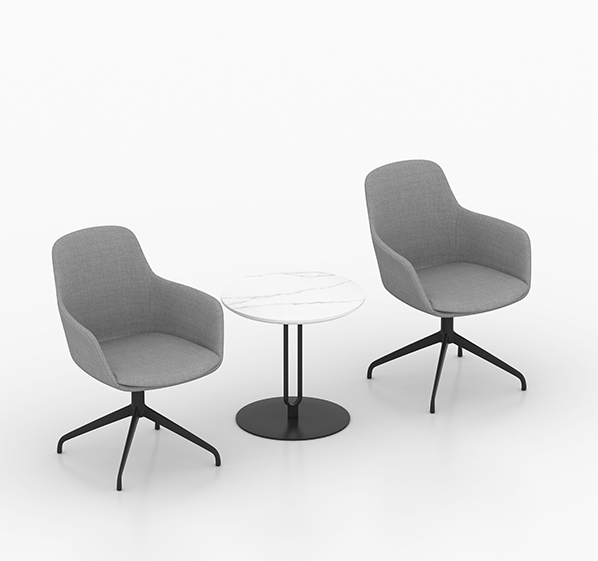
    For a quiet window-side corner, I might suggest two lounge chairs and a small round coffee table. Angling the chairs slightly toward each other can support conversation while maintaining an open connection to the window.

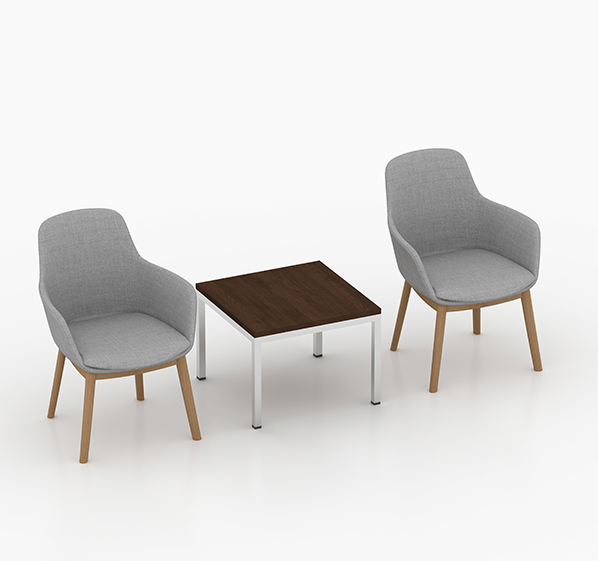
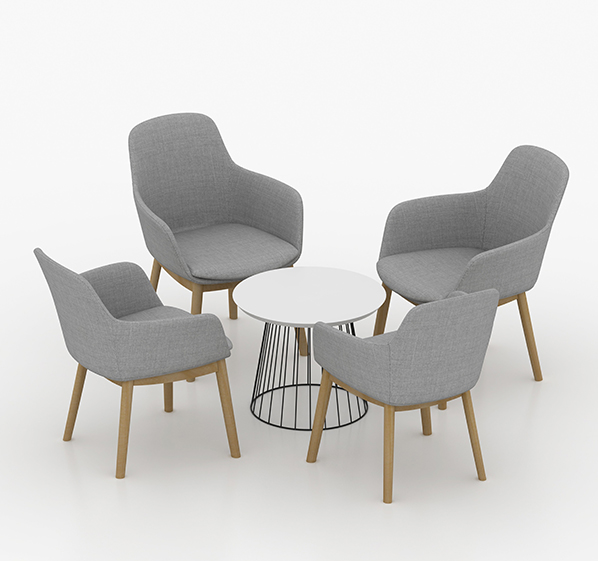
    In a shared team area, we would assess whether three or four seats are practical. The table should also suit the intended use. Will it hold drinks and phones, or will people occasionally review a notebook or a few documents?

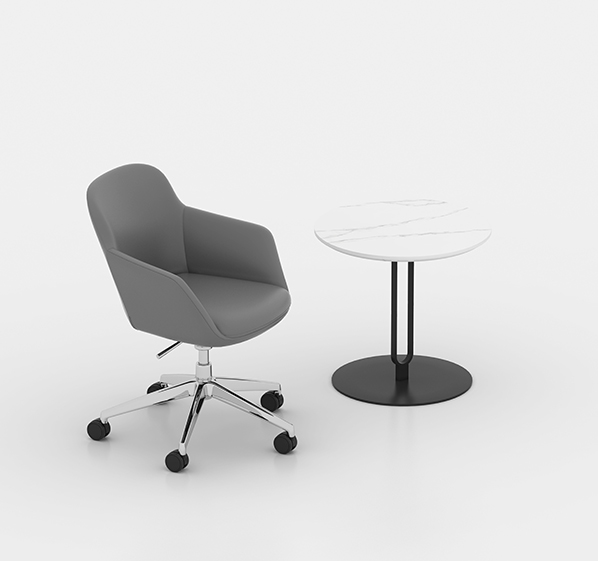
    Near a coffee point, I pay closer attention to easy-clean surfaces, access to the seats, and the route people take to collect their drinks.

    These questions guide the choice of furniture dimensions, materials, and orientation.

  • 559x559

    I generally recommend choosing the main furniture arrangement before adding decorative pieces.

    In a small office lounge, the proportions of the chairs and table matter. Oversized chairs can restrict movement, while a large table can dominate the arrangement. Furniture with suitable dimensions and a visually light form can help the area sit comfortably within the wider office.

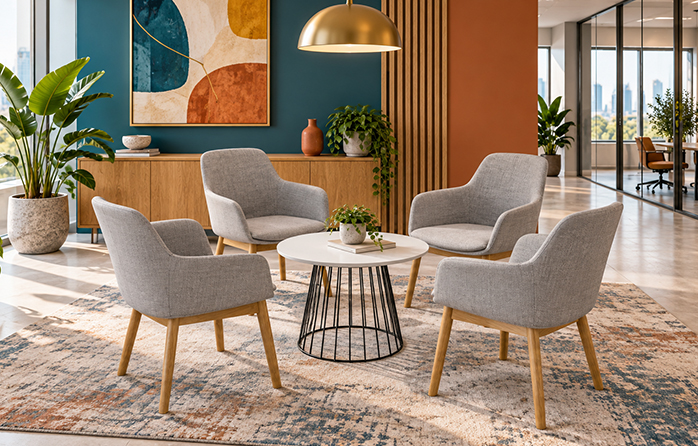
    For colour, I would start with the existing flooring, walls, and wood finishes. Grey chairs, for example, can connect with the surrounding interior, while wood tones, greenery, or a few soft colour accents bring warmth.

    A round coffee table may suit the arrangement, but its base, overall size, and relationship to the circulation route still need checking. A rounded shape does not remove the need for adequate clearance.

739x472

The goal is a space that becomes part of the working day

A practical breakout area gives an unused corner a clear purpose. Employees can take a short break, two colleagues can exchange ideas, or a visitor can wait in a relaxed setting.

It also provides another option for brief, non-confidential conversations. Private discussions, longer sessions, and larger meetings still need an appropriate meeting space.

For me, the value of layout support is turning “we would like a lounge area” into a practical decision about location, seating capacity, furniture, and access.

If you are considering a window-side or corner breakout area, share your floor plan, site photos, and expected number of users with us. We can use those details to explore a suitable chair-and-table combination that fits your everyday needs.