
A New Perspective on Workspace Design: How to Scientifically Plan Your Office Partitions Workstations?
In modern office space design, office furniture is no longer just a simple combination of desks and chairs. The combination of office partitions and workstations, in particular, directly determines the flow of movement, lighting, and employee comfort.
How can you plan an office environment that aligns with current collaboration trends while also respecting individual privacy? This article will provide an in-depth analysis from four points: height selection, material application, sizes planning, and functional occasions.
1.Partition Height
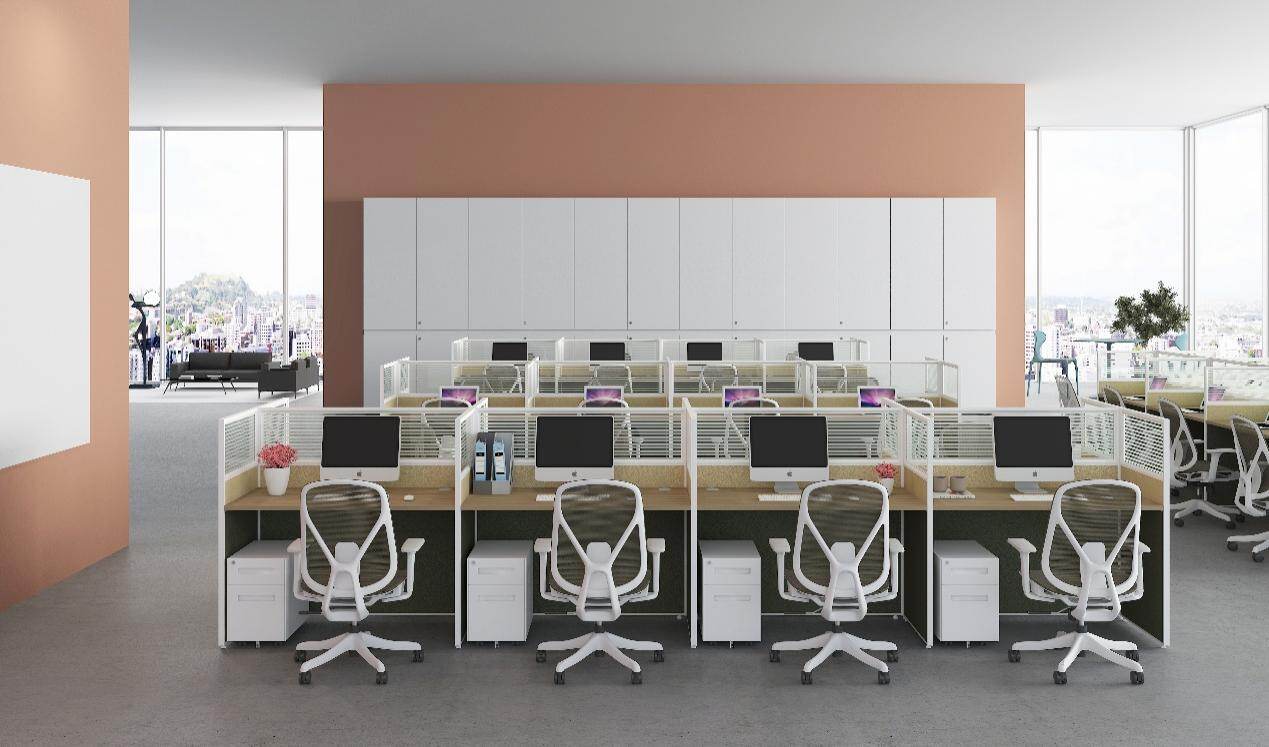
The height of the partitions is a key factor influencing the office atmosphere. The height must be determined based on the specific functions of the department.
Open Design (900mm - 1100mm):
Features: The partition height is slightly lower than or parallel to the eye level when seated.
Suitable Scenarios: Creative teams, internet R&D, marketing departments.
Function: This height aims to break down visual barriers and encourage fragmented communication among employees.
Semi-Private (1200mm - 1350mm):
Features: Offers privacy when seated, while providing a panoramic view when standing.
Suitable Scenarios: Functional departments (e.g., HR, Finance), customer service centers.
Function: This is currently the most popular height. It effectively conceals clutter on the desk, reduces visual distractions, and avoids making employees feel oppressed. It strikes the optimal balance between "focused work" and "team belonging."
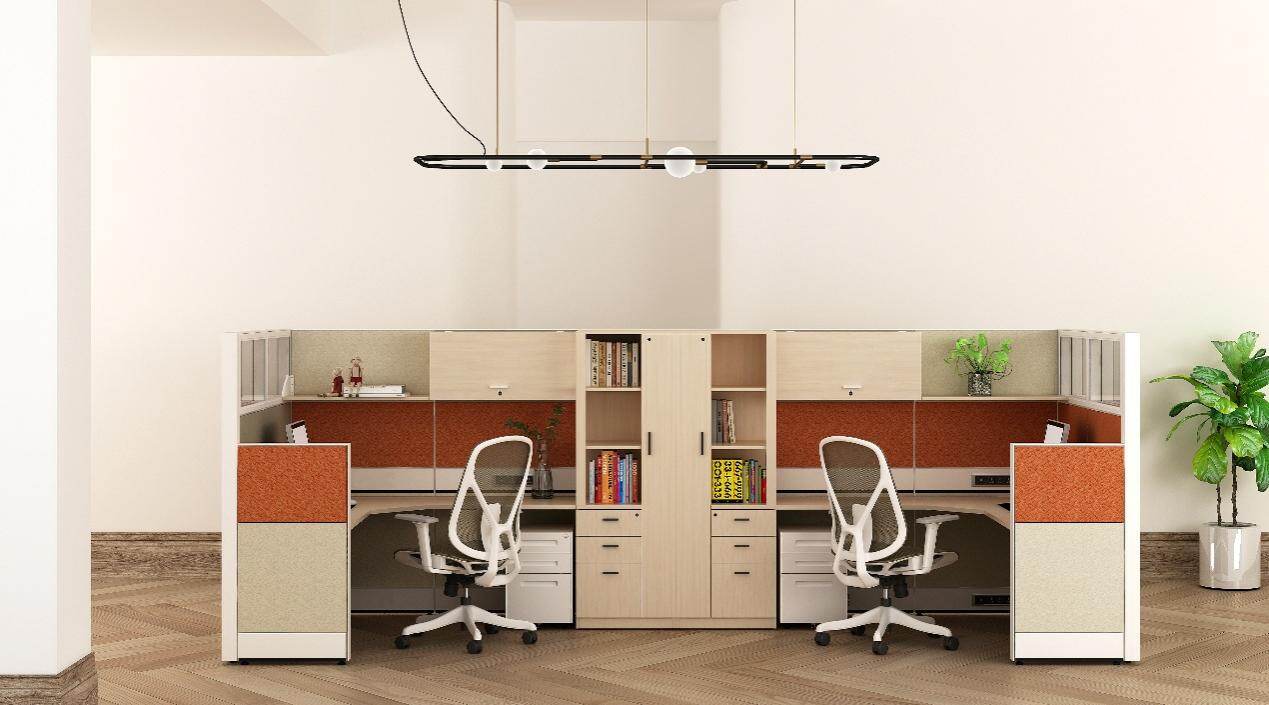
Full Privacy (1500mm - 1800mm)
Features: Completely blocks visual contact and even has some sound-absorbing effect.
Suitable Scenarios: Legal consulting, executive offices, headhunting consultants, or positions requiring intense thinking.
Function: This height provides a strong sense of territory, suitable for environments handling sensitive information or requiring prolonged deep work.
2.Material Selection
The choice of materials directly impacts the office's decoration and acoustics.
Glass (Fully Transparent/Frosted):
Advantages: Excellent light transmission and a modern feel.
Function: Frosted glass provides privacy without sacrificing a sense of space. Fully transparent glass is often used for manager's workstations or meeting areas.
Fabric/Sound-Absorbing Material:
Advantages: A wide range of colors and excellent acoustic performance.
Function: In open-plan office environments, noise is the biggest enemy. Fabric partitions with embedded sound-absorbing materials effectively absorb telephone conversations and keyboard clicks, creating a quiet atmosphere.
Panel/MFC Material:
Advantages: Durable, easy to clean, and cost-effective.
Function: Provides a stable and solid feel, often used as the main frame of workstations, and easily matches the overall color scheme.
Aluminum Material:
Advantages: Sturdy structure, supporting complex wiring systems as a partition frame.
3.Size Planning
Mainstream Sizes: Standard length for a single workstation is typically 1200mm / 1400mm / 1500mm, with a depth of 600mm / 700mm.
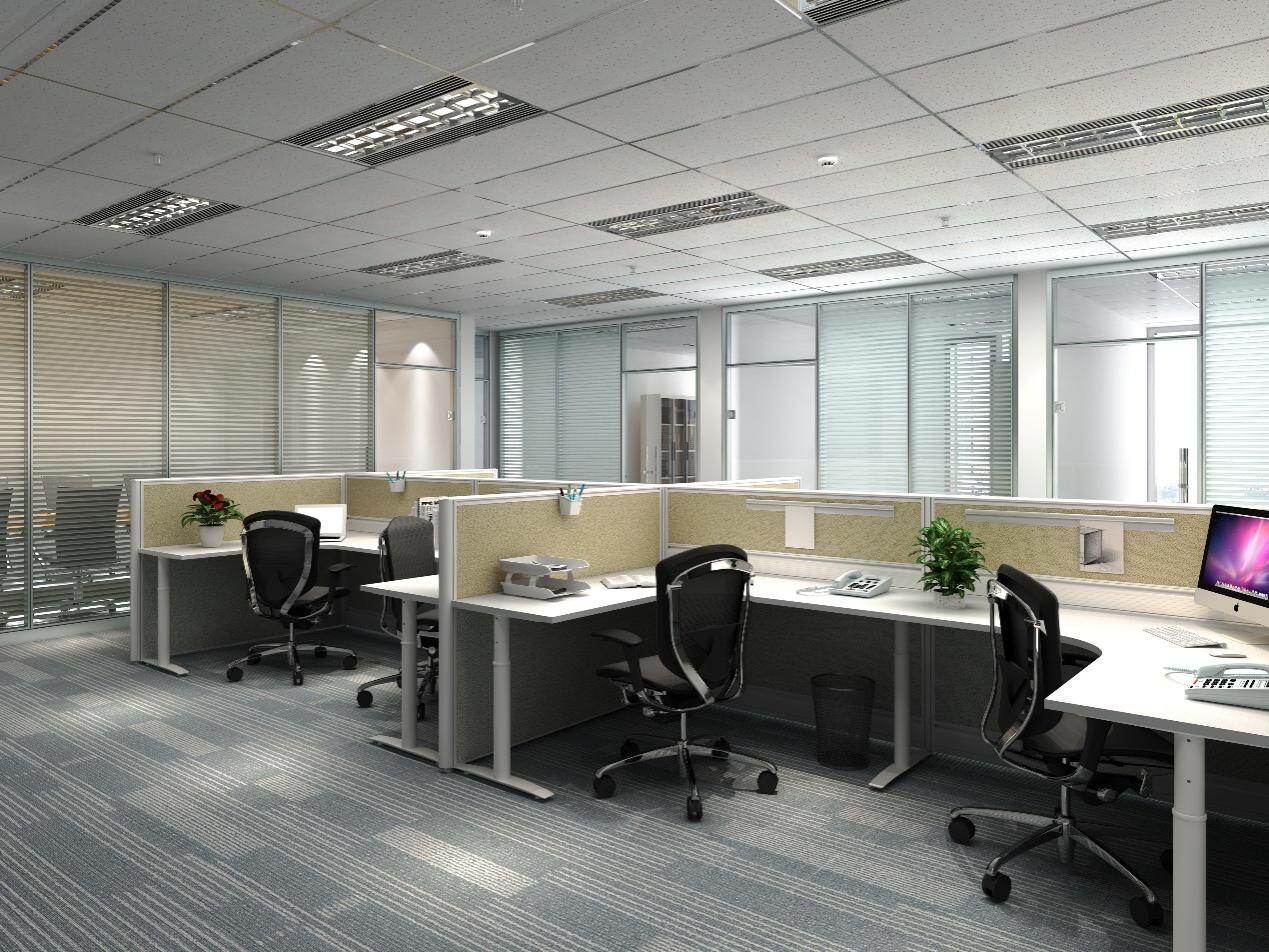
- Linear (I-shape): Simple and clean, suitable for rectangular spaces.
- Face-to-Face (Face-to-Face): Most cost-effective for wiring, promotes internal departmental communication.
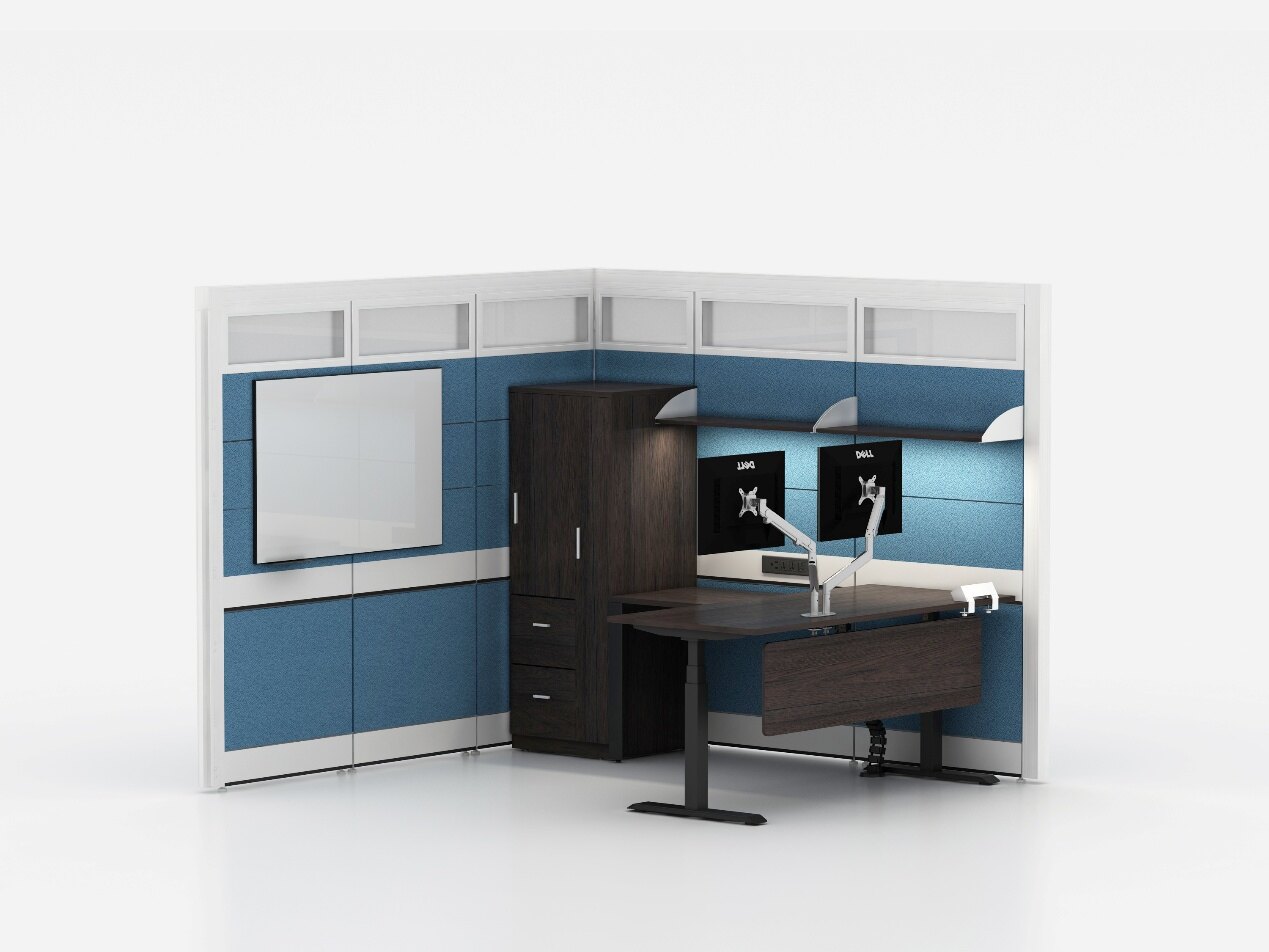
Cross-shaped (L-shaped): A derivative of the classic "boss seat," offering a larger work surface and storage space, suitable for jobs requiring extensive paperwork.
120-degree irregular-shaped (Y-shaped): This combination aligns better with modern design aesthetics, effectively utilizing irregular spaces and providing a wider field of vision, reducing the oppressive feeling of employees sitting back-to-back.
4.Functional Integration
A practical workstation is more than just a desk and a few partitions; it needs to integrate more user-friendly functions:
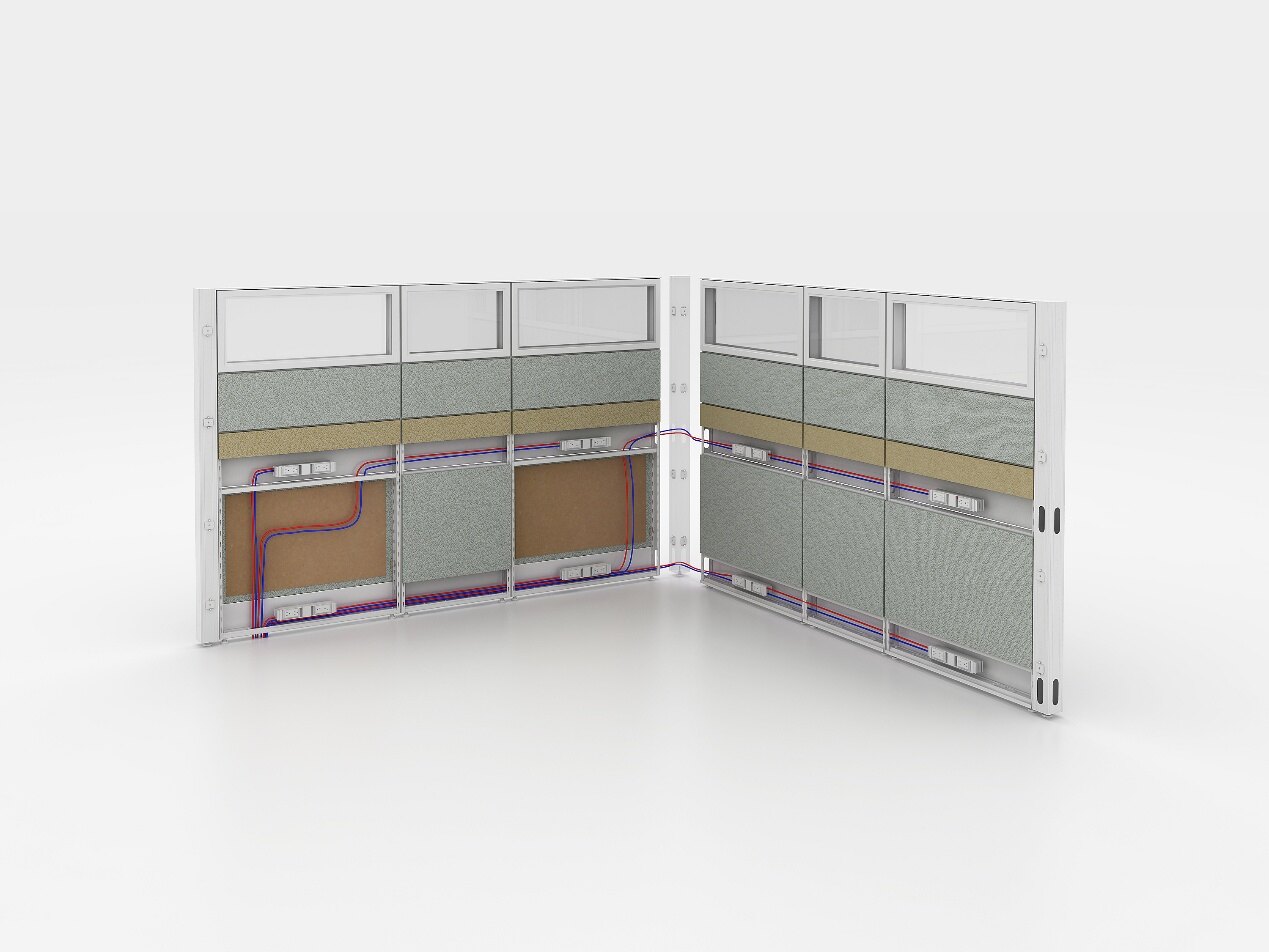
Intelligent Cable Management System : The partitions should have robust cable management channels (cabinets) to perfectly conceal power cords and network cables, keeping the desktop tidy and avoiding safety hazards.
Storage System: Combining movable drawers, overhead cabinets, or side partition accessories (such as pen holders and document racks) maximizes the use of vertical space.
Ergonomic Details: Chamfered edges on the desktop and optional height-adjustable tables are important investments in improving employee health.
- Summary and Trend Recommendations
When choosing office partitions and workstations, don't just look at individual products; consider scenario adaptability. Future Trend Recommendations, we also need to consider the Flexibility, De-industrialization, Environmental friendliness
By scientifically setting partition height, selecting high-quality materials, and rationally planning dimensions, you can transform your office into a collaborative and inspiring workspace. If you are preparing for a new office space, consider contacting M&W to customize a workspace tailored to your needs.