
What Are the Different Types of Office Layouts?
What is an office layout? What are the common layout types? What are the advantages and challenges of each layout? How to design an efficient office space? Read on to know more.
What Is an Office Layout?
An office layout is the way furniture, work areas, meeting zones, equipment, storage, and pathways are arranged throughout a workspace.
For many businesses, office layout become part of their brand identity. A poorly planned office can create stress, confusion, and low productivity. A thoughtful layout considers movement, comfort, collaboration, noise, privacy, lighting, and technology.
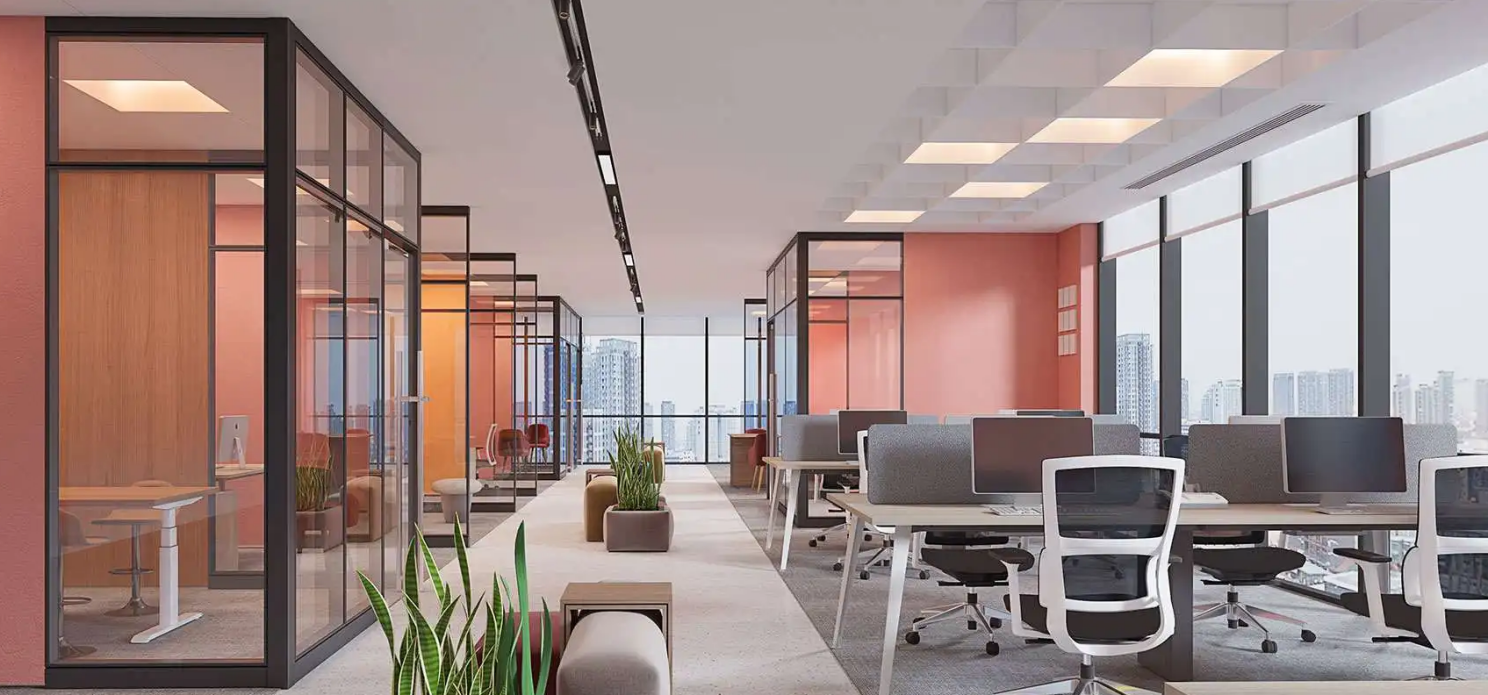
What Are the Different Types of Office Layouts?
Below are some common layouts used today. Each style fits different work cultures and business goals. Choosing the best office layout depends on how teams operate and what you need daily.
1. Open Office Layout
An open office layout places many employees in one shared area with minimal barriers. Areas are often separated only by low panels or dividers.
Advantages
Open plans help people talk easily. Open layouts can save money too because they need fewer materials and can fit more people in the same space. This kind of setup is also flexible and usually easier to move around when the team gets bigger.
Best suited for
Teams that share tasks, move information often, and need close communication. Creative companies such as marketing agencies, startups, and software teams often choose this style.
Challenges
Noise and distraction are probably the biggest issues in open offices. If one person is on a call, several others around them can hear almost everything, even if they try to talk quietly. Some employees also feel a bit stressed or like people are watching them, just because there isn’t much real privacy. To fix this, many companies try adding quiet corners, meeting pods, or small phone booths, so people have somewhere to go when they need some space.
2. Closed Office Layout
A closed office design is the opposite. Employees have individual rooms or enclosed areas. It could be a private office or a small workspace with a door. Traditionally, law firms, consulting companies, research labs, and some financial institutions like this kind of setup.
Advantages
Closed offices support deep work, quiet thinking, and confidential conversations. They also help employees feel respected because everyone has their own territory.
Best suited for
Roles that need quiet, privacy, or long periods of focus. For example, HR managers dealing with personal files, analysts working on complex financial report, or lawyers preparing case documents.
Challenges
Closed offices can make teams feel disconnected. People might think twice before knocking on doors and disturbing someone. Closed layouts also use more space, which raises the cost of office furniture, wall partitions, and real estate.
3. Cubicle Layout
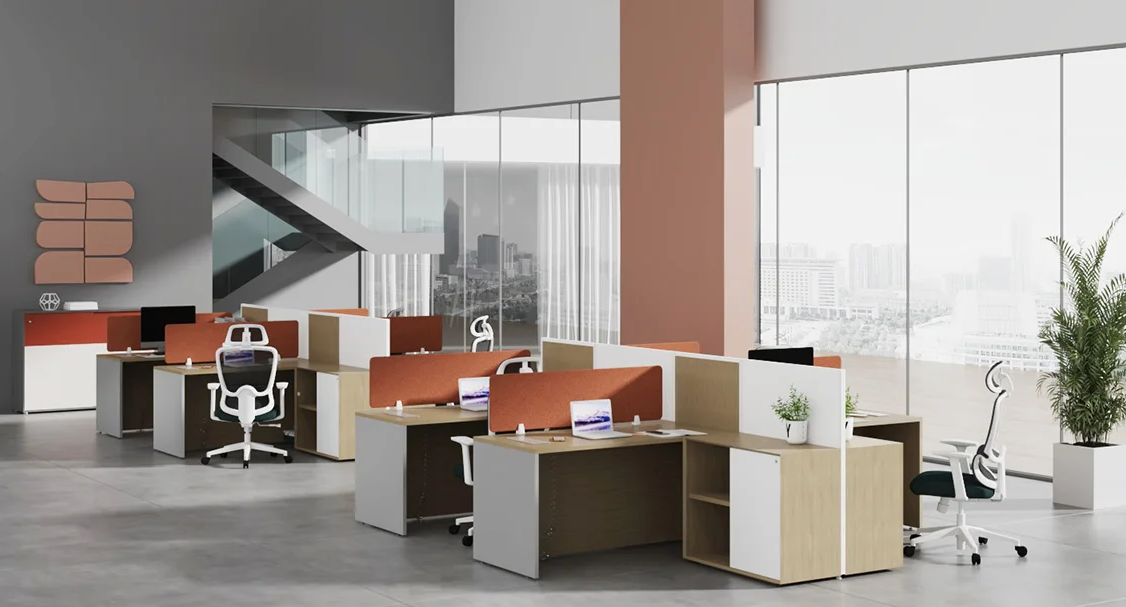
A cubicle layout is a hybrid between open and closed. It uses modular panels to create small personal workstations. Each box offers some privacy without isolating employees fully.
Advantages
Workers get their own desk, storage, and partial visual barriers. Companies can add or remove cubicles easily because the system is modular.
Best suited for
Large teams that need individual desks but still operate in structured processes. Cubicle layouts are a good choice for roles with repeatable tasks, heavy desk use, and focused work, where employees benefit from having a designated space that stays consistent every day.
Challenges
Some employees feel squeezed, especially when cubicles are small. Without enough natural light or personal space, morale may drop. Cubicles also require thoughtful cable and equipment organization because clutter can grow quickly.
How to Design an Efficient Office Layout?
Practicality is important in office design. When designing a layout, consider the following aspects:
1. Understand How Your Team Works
A tech company might need rows of desks with dual monitors and proper cable management. But a consulting team may need private meeting spaces so that they can meet and talk.
2. Think About Circulation and Flow
Good circulation means people can move around easily between desks, meeting rooms, and places to take a break. Try to keep printers or shredders somewhere you can actually see and reach, not hidden in some corner. Also think about how the cables and power outlets are arranged, so the space looks organized, not like something put together in a rush.
3. Lighting and Noise Control
If you can, try to place desks or tables near the windows. Natural light tends to make people feel better and work more productively. You can also use acoustic panels, partitions, or even carpet to cut down on echoes and noise.
4. Choose the Right Office Furniture System
Office furniture supports posture, storage, and team identity. Adjustable desks, ergonomic chairs, modular storage, and collaborative tables improve comfort and efficiency. Many companies also request customization so furniture matches brand colors or special equipment requirements.
M&W Offers One-Stop Office Design Services
Designing the right office layout is not only about choosing a style. It’s more about making a workspace that is comfortable and practical. M&W doesn’t just sell furniture, we offer one-stop office solution. From design idea and layout plan to custom furniture and assembly support, M&W makes sure the whole project goes smoothly from the first step to the last.
Our design and rendering team works with businesses, taking your ideas for the office and turning them into something practical and good-looking in real life. M&W's solutions cover all essential office needs:
✅ Desks & Tables – for individual focus work or collaborative projects.
✅ Office Seating – ergonomic chairs designed for comfort and productivity.
✅ Office Cubicles – creating private, organized workstations.
✅ Partition Walls – defining spaces without sacrificing openness.
✅ Storage – keeping work areas neat and efficient.
✅ Accessories – essential items to support workflow and enhance usability.
M&W also offers custom furniture options, ensuring desks, partitions, and storage systems fit specific dimensions, brand colors, or workflow requirements. You can get a practical and functional office setup from concept to installation.
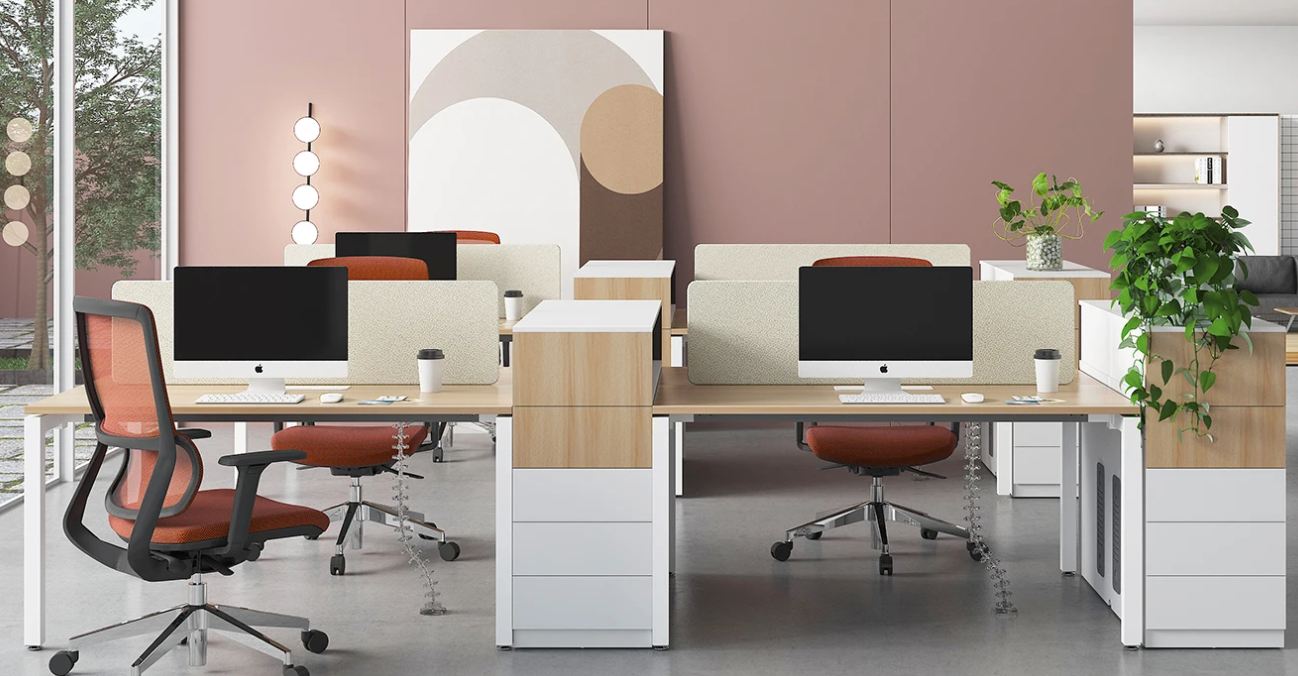
Conclusion
There is no single office layout that works for every business. Some organizations prefer open spaces. Others depend on private offices or well-structured cubicles. The key is to understand your workflow, your team's habits, and the culture you want to build.
If you’re looking for a partner who understands design workplace, consider M&W. With professional planning, customized furniture solutions, and project support, M&W helps you create efficient and human-friendly office layouts. Now click our Space Design Solutions to learn more.