
Glass Whiteboard vs Traditional Whiteboard Office Space Solutions Compared
Why Your Whiteboard Choice Affects Office Functionality
Most offices treat whiteboards as simple tools. But when your team meets daily for brainstorming, training, or planning sessions, the right writing surface becomes part of your workspace infrastructure. After helping 200+ companies optimize their meeting spaces, we've found that choosing between glass and traditional whiteboards impacts more than just writing quality—it affects room layout, noise levels, and how effectively teams collaborate.
Material Construction: What Makes the Difference
Traditional Vinyl Whiteboards
- PVC-coated steel backing that bends over time
- Surface becomes stained after 12-18 months of regular use
- Edges lift, creating gaps where dust collects
- Requires special cleaners to maintain writing quality
M&W Glass Whiteboards
- 4-6mm tempered safety glass with ceramic coating
- Aluminum frame prevents warping and provides structural support
- Non-porous surface resists staining regardless of marker quality
- Standard cloth cleaning maintains like-new appearance for years
Space Planning Benefits Most Companies Overlook
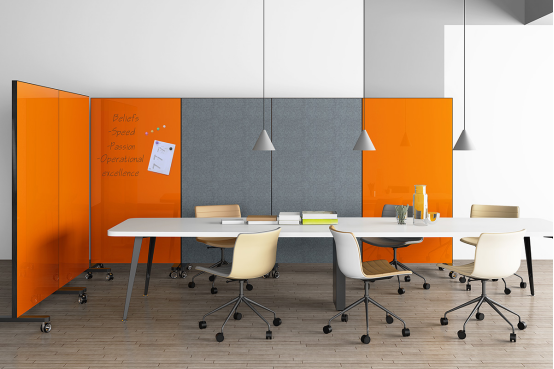
Creating Zones Without Construction
Open office plans create collaboration opportunities but often lack privacy for focused discussions. At 180cm tall, M&W's mobile glass whiteboards function as strategic space dividers:
- Define meeting areas within larger open spaces
- Create semi-private zones for sensitive conversations
- Reconfigure room layouts in seconds without construction
- Serve dual purposes: writing surface and room separator
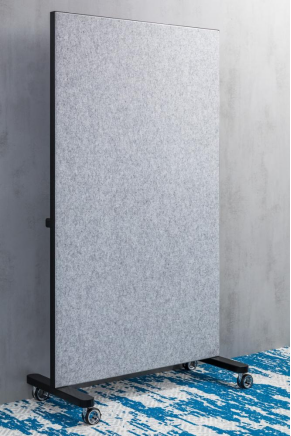
Managing Office Acoustics
Sound distractions reduce productivity by up to 66% according to workplace studies. Traditional whiteboards reflect sound, amplifying noise in open environments. M&W's dual-sided models solve this with:
- Glass writing surface on one side
- Fabric-covered acoustic panel on reverse side
- 30% reduction in ambient noise when positioned strategically
- Color options that complement office aesthetics while improving sound quality
Functionality Comparison for Daily Use
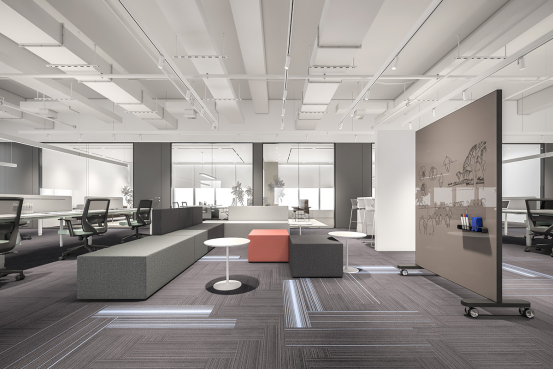
Writing and Cleaning Experience
Traditional boards require consistent maintenance to keep writing clear. Glass surfaces provide immediate benefits:
- Markers glide smoothly with minimal pressure
- Colors appear brighter and more vibrant
- Erasing requires one pass versus multiple attempts
- No ghosting or permanent marks after heavy use
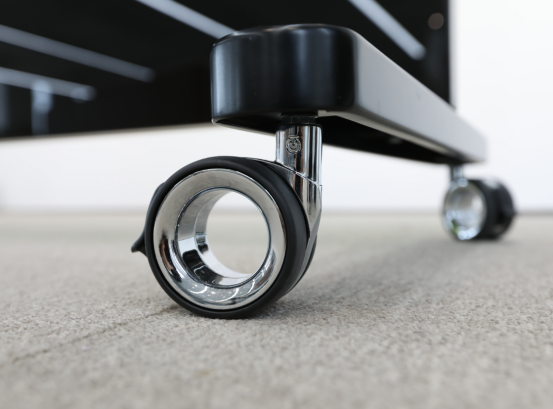
Mobility and Adaptability
Fixed wall-mounted boards limit meeting flexibility. M&W's mobile designs feature:
- Locking casters for easy repositioning
- Bottom shelves for markers, erasers and accessories
- Optional integrated power outlets for digital presentations
- Double-sided use for maximum space efficiency
Cost Analysis: Beyond Initial Price
Many companies choose traditional whiteboards based solely on upfront cost. A complete cost analysis reveals:
- Traditional boards require replacement every 12-18 months in high-use environments
- Installation, removal and wall repair add 30-40% to visible costs
- Employee time lost to poor writing surfaces and maintenance
- Space inefficiency when fixed boards can't adapt to changing needs
Glass whiteboards typically last 5+ years with minimal maintenance, making their total cost of ownership significantly lower despite higher initial investment.
Making the Right Choice for Your Office
Choose Traditional Whiteboards When:
- Budget constraints are immediate and severe
- Usage will be infrequent (less than weekly)
- Space is permanent and well-defined
- Acoustic or mobility needs are minimal
Choose Glass Whiteboards When:
- Your team holds daily collaborative meetings
- Office layout changes frequently
- Client presentations occur in the same spaces
- Noise control is needed in open environments
- Long-term value outweighs initial investment
Practical Next Steps for Office Managers
Before making your decision:
- Measure your most-used meeting spaces
- Track how often current boards need cleaning/replacement
- Note complaints about noise or space limitations
- Calculate three-year ownership costs, not just purchase price
M&W's whiteboard solutions integrate with our complete office space planning approach, ensuring your writing surfaces work with your environment—not against it. Contact our space planning team for a free assessment of your current meeting areas and customized recommendations based on your specific workflow patterns.